
From November 15 to 16, 2025, the 2025 Young Scholars Forum of the University Alliance for Building China's Independent Knowledge System of Complex Systems Management was successfully held at Hangzhou Xixi Hotel. The forum was hosted by the University Alliance for Building China's Independent Knowledge System of Complex Systems Management and co-organized by the School of Management, Zhejiang University, the Zhejiang Digital Development and Governance Center, and the Neuromanagement Laboratory of Zhejiang University. The conference attracted more than 100 teachers and students from various universities to gather and discuss cutting-edge issues in the field of complex systems management.
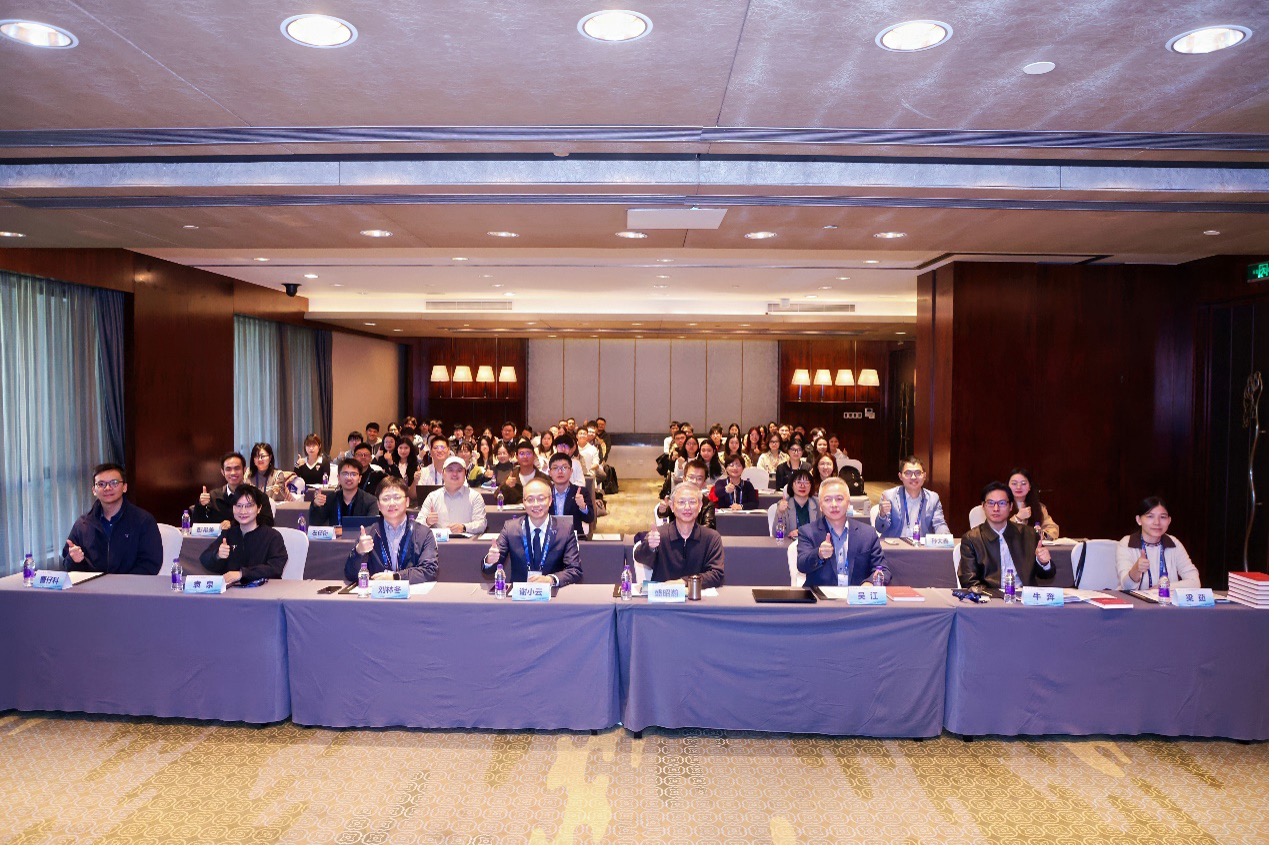
(Photo: Group photo of participants)
## I. Opening Ceremony
On the morning of November 15, 2025, the opening ceremony of the 2025 Young Scholars Forum was successfully held at the Meizhu Meishu Hall of Hangzhou Xixi Hotel. Professor Sheng Zhaohan from the School of Management and Engineering, Nanjing University, Xie Xiaoyun, Dean of the School of Management, Zhejiang University, and about 100 teachers, students, and invited guests attended the conference. The opening ceremony was hosted by Professor Tong Yu from the School of Management, Zhejiang University.
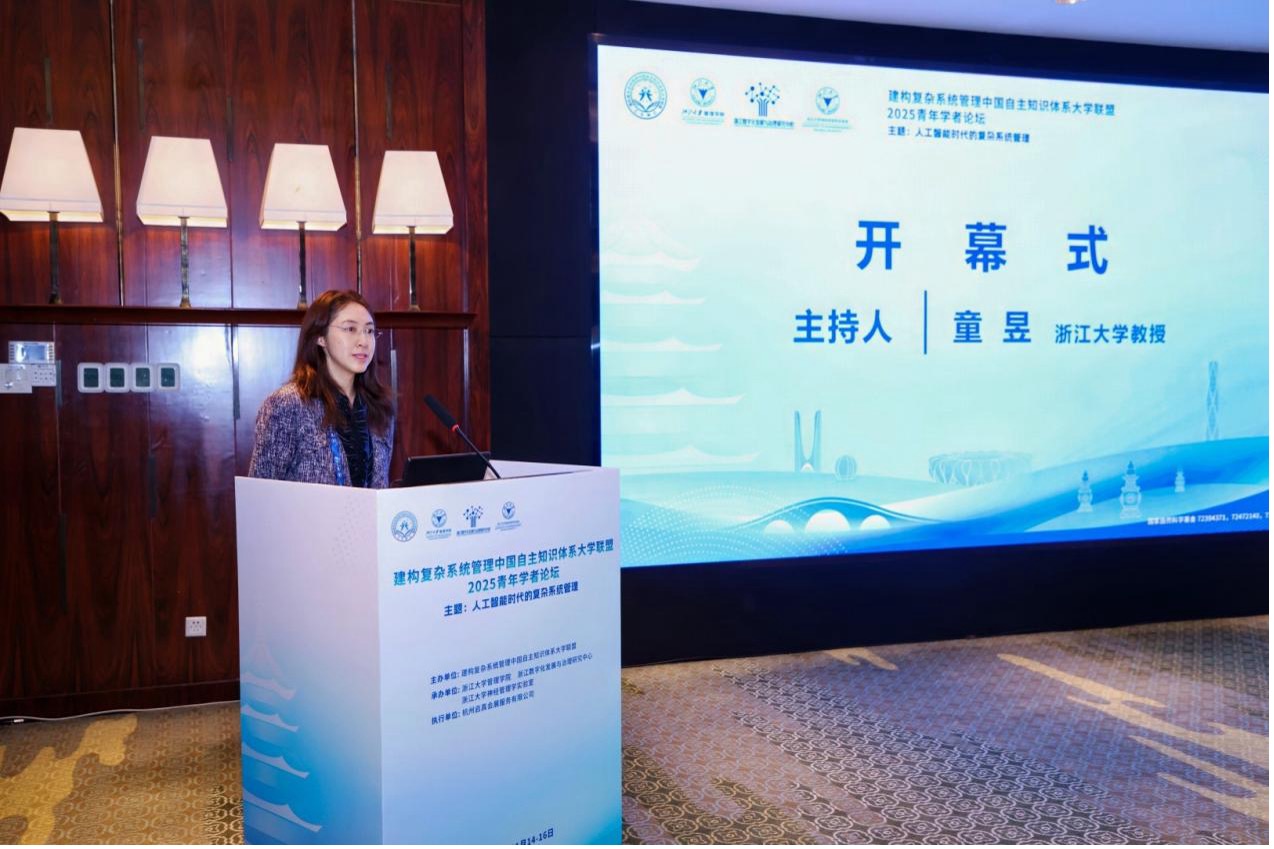
(Photo: Professor Tong Yu hosting the conference)
At the beginning of the meeting, Xie Xiaoyun, Dean of the School of Management, Zhejiang University, delivered an opening speech. Starting from optimizing the online and offline structure, he advocated that enterprises should pursue an ecological of harmonious coexistence of all beauties. The core lies in the fact that Chinese enterprises must complete a fundamental strategic shift: from the old model relying on labor and time to a new competitive advantage centered on building an independent knowledge system, so as to open up a new market situation.
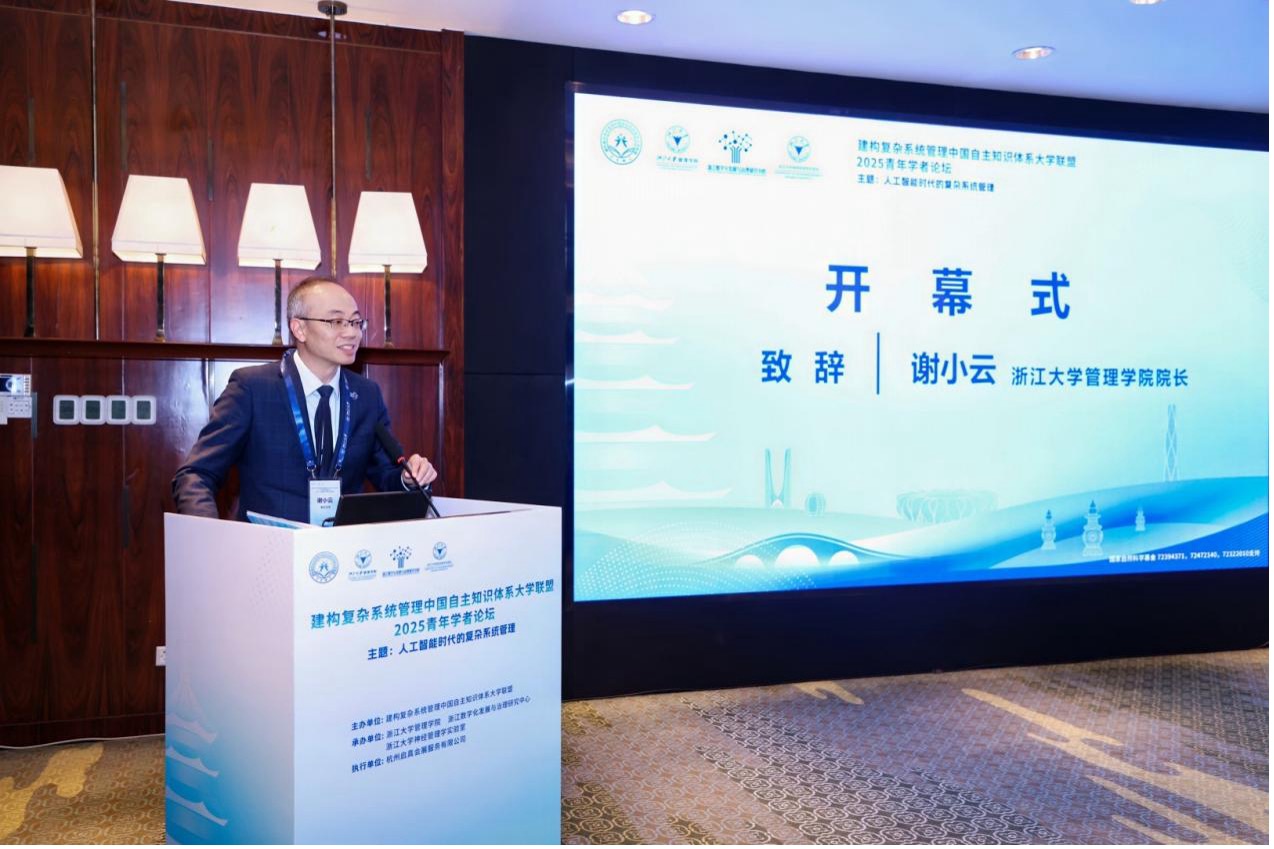
(Photo: Xie Xiaoyun, Dean of the School of Management, Zhejiang University, delivering a speech)
After the speech session, the meeting entered the expert report stage, hosted by Professor Liu Lindong from the University of Science and Technology of China.
Professor Sheng Zhaohan from Nanjing University deeply discussed the practical wisdom of complex systems management in management science starting from the irreversible nature of reductionism. Combining the connotation, goals, and construction status of China's independent knowledge system of management science, he encouraged everyone to jointly accomplish one thing for the sinicization of management academia. In addition, Professor Sheng Zhaohan advocated using complex system thinking to solve complex problems such as the environment and engineering by introducing important works and achievements in the field of complex systems management. Finally, he sent a message to young scholars, hoping that they can deeply understand the theme of this seminar and take this opportunity to create a new pattern of their own academic growth.
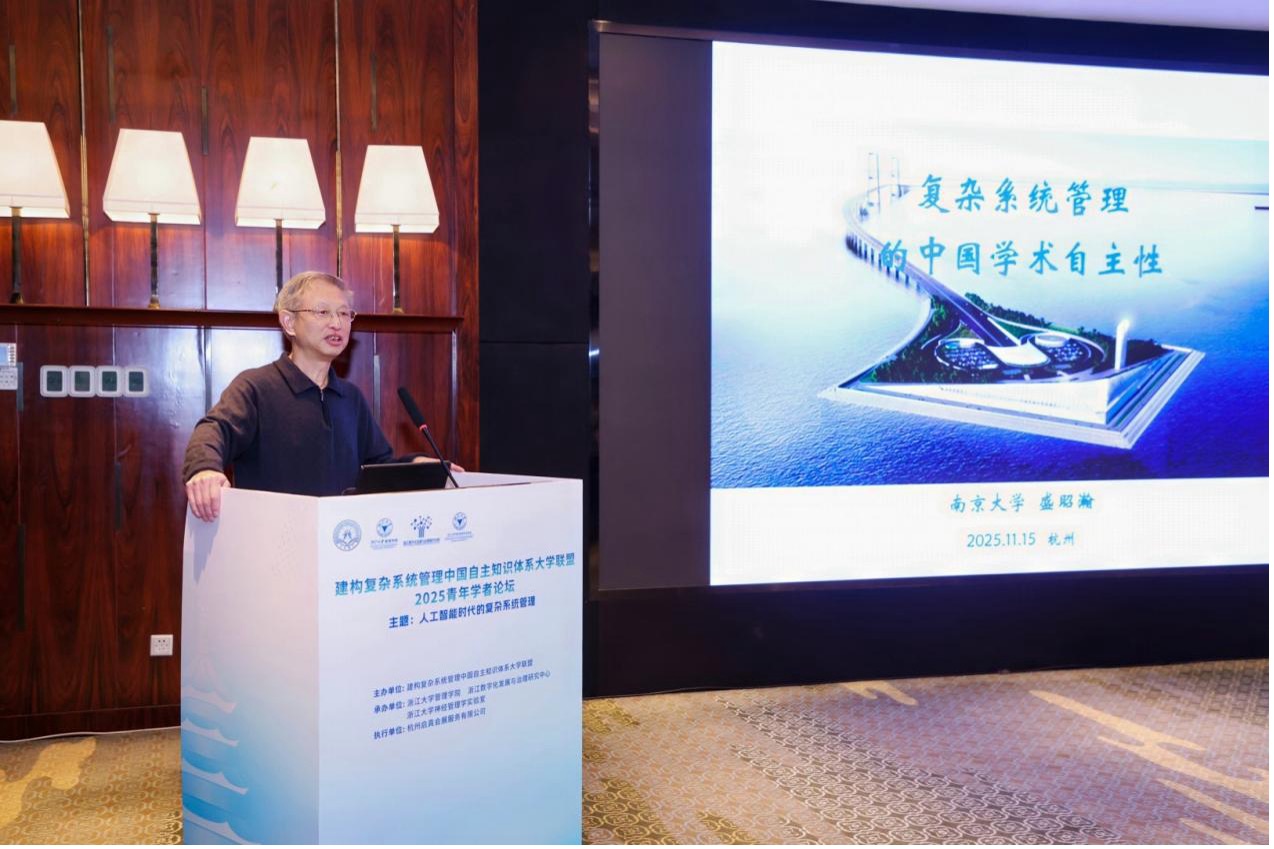
(Photo: Professor Sheng Zhaohan delivering an expert report)
## II. Keynote Reports
After the expert report session, the meeting entered the keynote report stage, which was hosted by Professor Niu Ben from Shenzhen University, Professor Ye Xuhong from Zhejiang University of Technology, and Professor Tong Yu from the School of Management, Zhejiang University respectively. Many experts and scholars delivered keynote reports in turn and conducted in-depth discussions with the on-site audience around core issues.
Professor Wu Jiang from Wuhan University focused on the new paradigm of social science research driven by AI large models and systematically elaborated on the cutting-edge method of socio-technical network computing. Centering on the closed-loop logic of discovery—explanation—prediction—simulation—control, he elaborated layer by layer: first, he showed how to discover the significant impact of technological knowledge embeddedness on the formation of enterprise cooperation by constructing multi-layer networks of knowledge and cooperation; then, he explained the technical motivation behind social cooperation networks through patent data analysis; on this basis, he further explored how to use large model annotation to build time-varying technical networks, predict technical opportunities, and recommend potential partners; finally, he demonstrated how the agent-based simulation model based on large models can simulate complex game phenomena such as social involution.
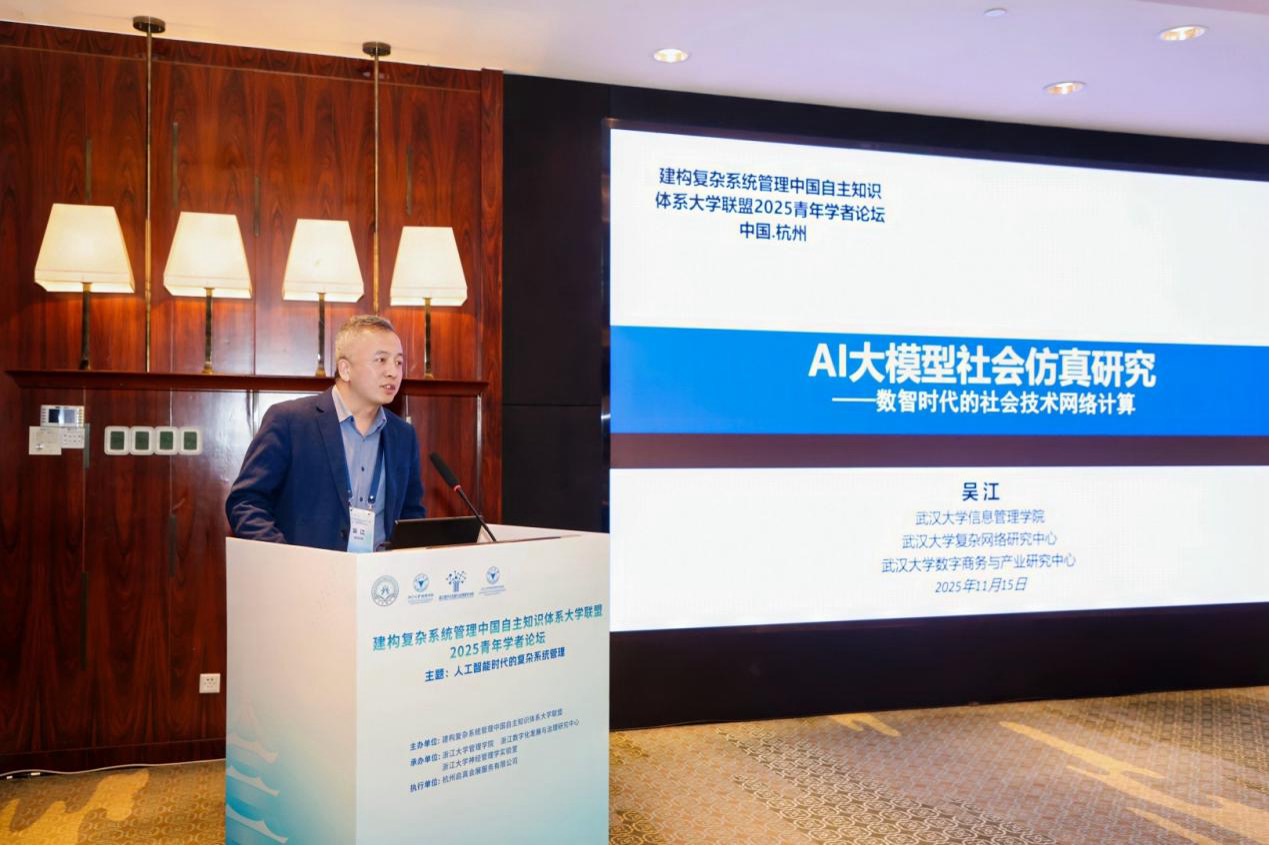
(Photo: Professor Wu Jiang delivering an academic report)
Teacher Huang Xiao from Central China Normal University systematically elaborated on the theoretical breakthroughs and methodological innovations in the cutting-edge field of large language model (LLM)-driven social simulation (SABM). He pointed out that traditional social simulation is limited by preset simplified rules and difficult to truly restore human behavior, while large language models, with their human-like memory, reasoning, and interaction capabilities, provide a new path for building agents with human-like cognition. Subsequently, Teacher Huang Xiao further clarified the theoretical system from the perspectives of conceptual connotation, key architecture, and methodological advantages, and demonstrated its broad application prospects in complex systems management by combining scenarios such as policy intervention, public opinion dissemination, and human-machine collaboration.
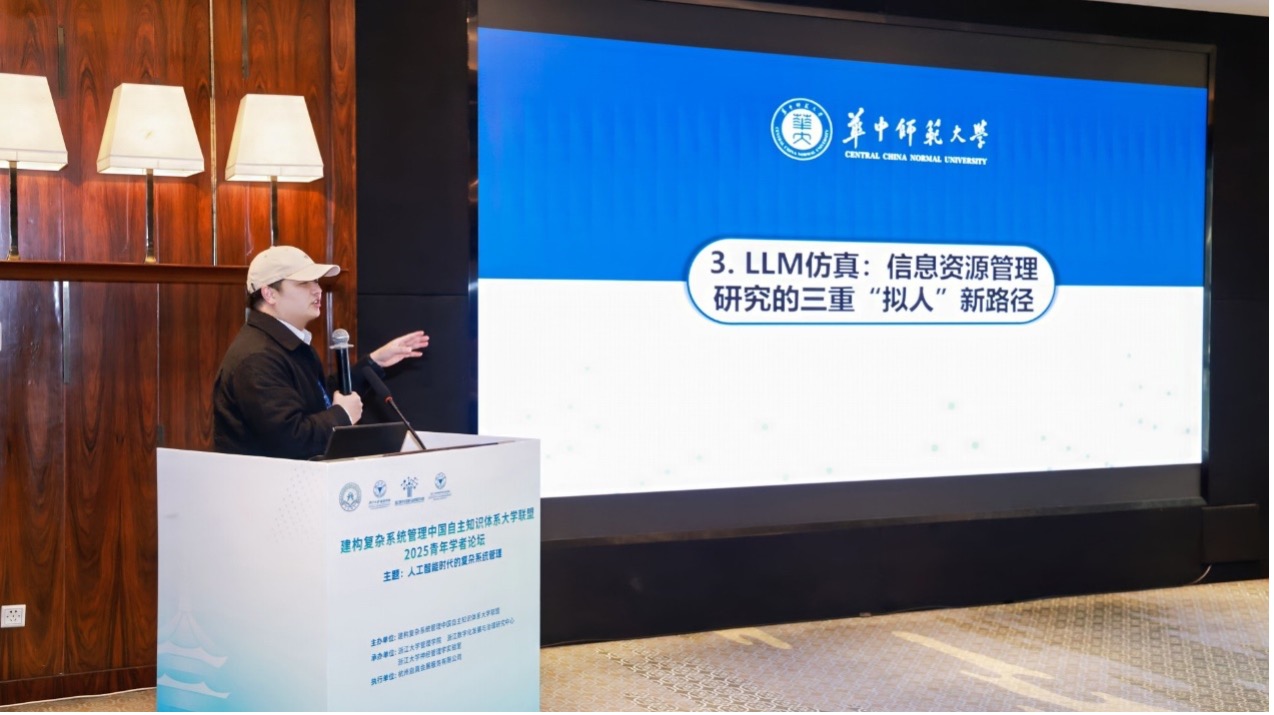
(Photo: Teacher Huang Xiao delivering an academic report)
Subsequently, Professor He Chaocheng from Wuhan University focused on the phenomena of involution and lying flat and systematically elaborated on the innovative application of large language models (LLMs) in multi-agent social simulation. The research constructed an LLM-driven simulation framework to simulate the strategy evolution of individuals among involution—cooperation—lying flat under the influence of factors such as resource conditions, involution costs, and ability differences. Finally, Professor He Chaocheng demonstrated the relevant codes and research results of the project on site.
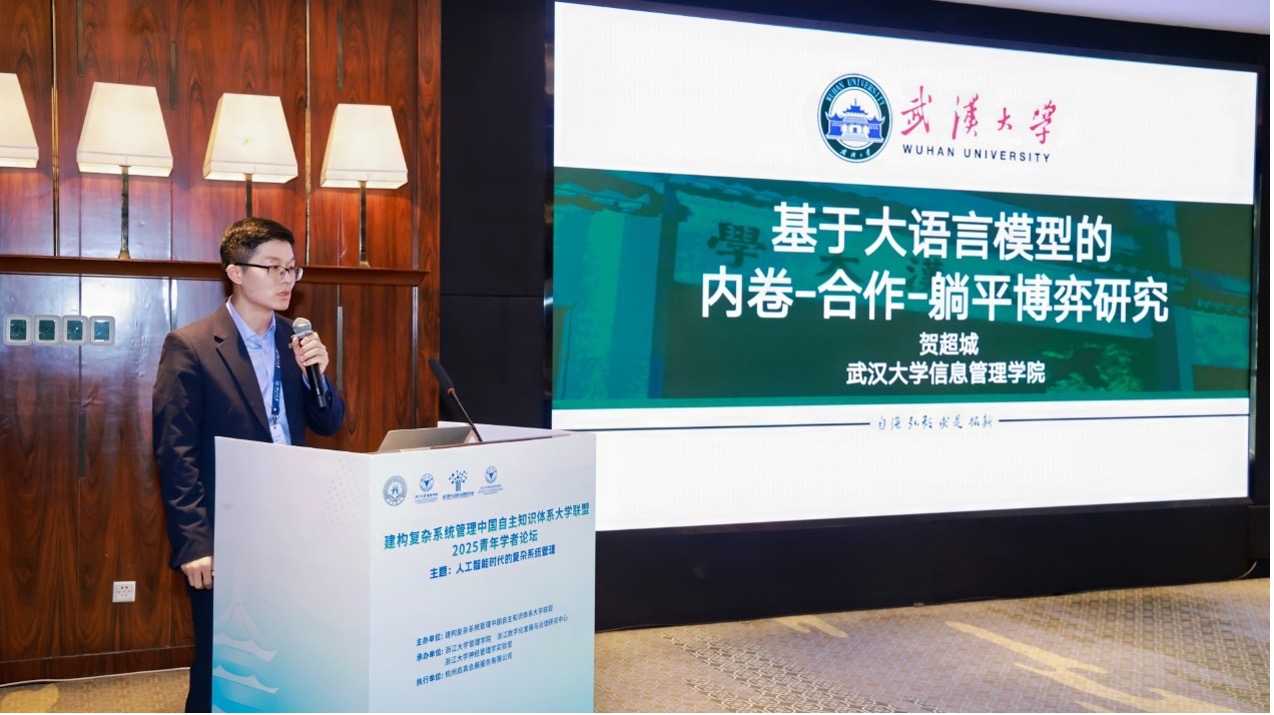
(Photo: Professor He Chaocheng delivering an academic report)
Zuo Renxian, a doctoral student from Wuhan University, focused on the experimental architecture under the hierarchical design concept of perception—decision—action, and mainly introduced an ABM-LLM hybrid architecture for simulating the involution phenomenon and its code implementation. He systematically elaborated on the overall process, experimental design, and theoretical support of the research, and summarized its main contributions and research limitations at the end.
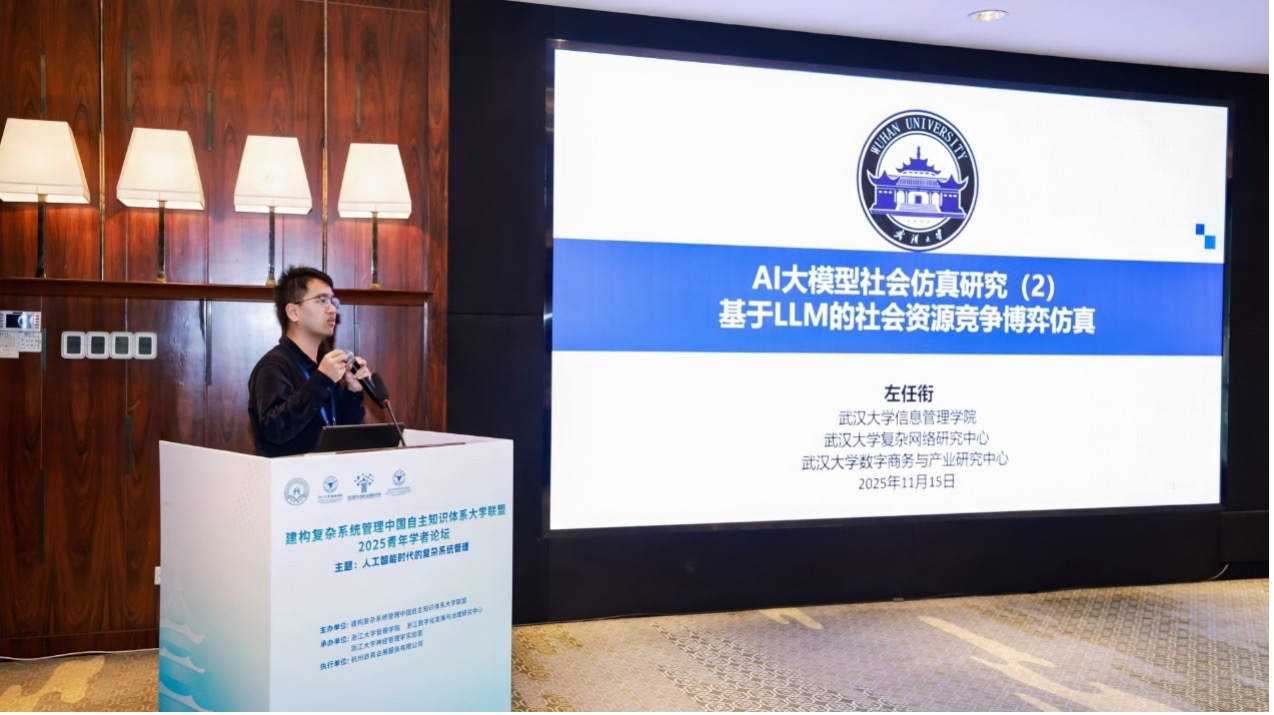
(Photo: Doctoral student Zuo Renxian delivering an academic report)
Researcher Peng Xixian from Zhejiang University focused on the research of neuroinformation systems (NeuroIS) in the era of artificial intelligence. He first reviewed the origin and development of NeuroIS, systematically introduced the relevant research strategies, common theories, and review methods of NeuroIS. On this basis, Teacher Peng further shared the representative research achievements of his team in this direction and looked forward to future research directions, such as the exploration value of emotional cues and AI aversion in NeuroIS. Subsequently, two doctoral students from Zhejiang University, Zhou Lingyi and Ren Jiaqi, respectively introduced the EEG experimental process and functional near-infrared optical imaging process in detail.
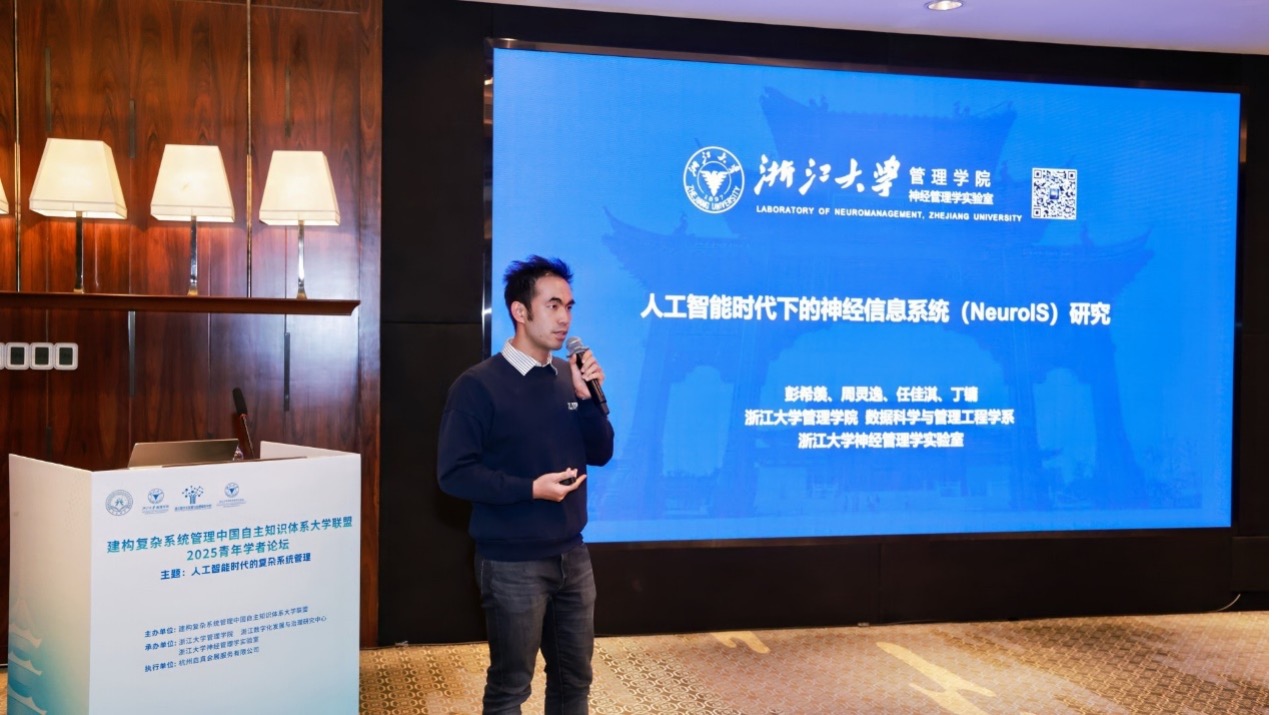
(Photo: Researcher Peng Xixian delivering an academic report)
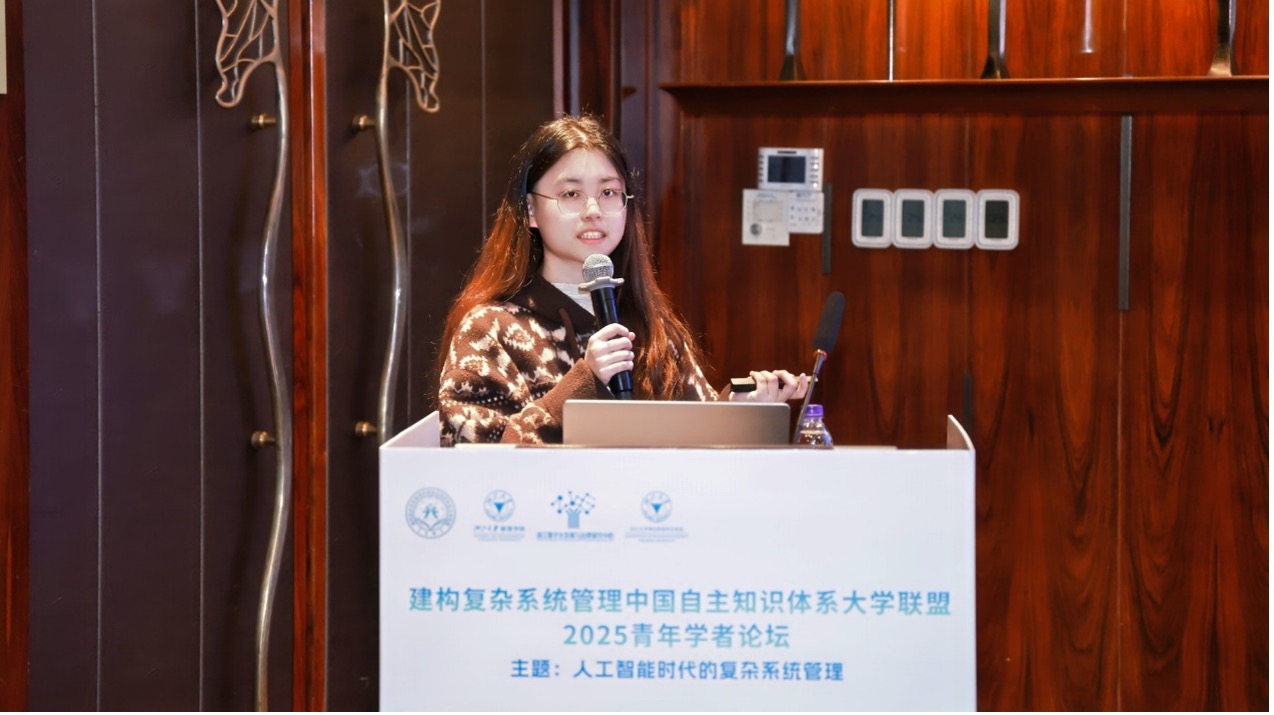
(Photo: Doctoral student Ren Jiaqi sharing)
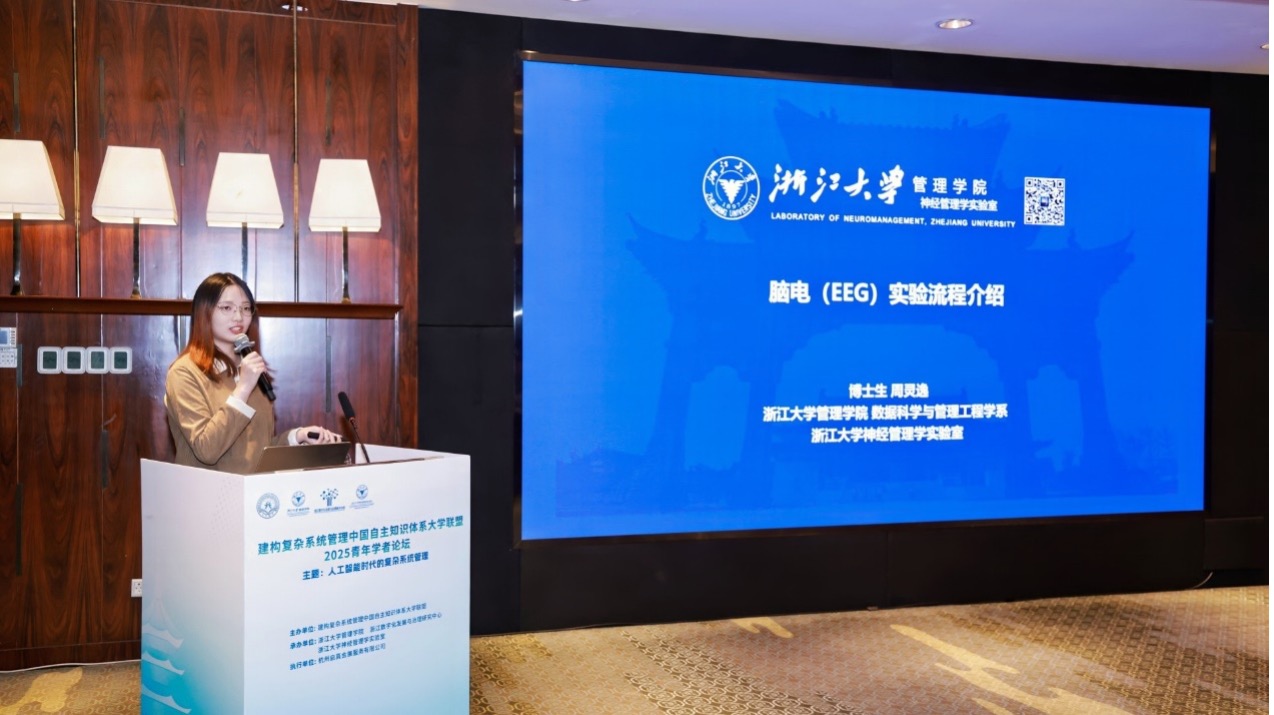
(Photo: Doctoral student Zhou Lingyi sharing)
Finally, Zeng Enyu, a doctoral student from Nanjing University, focused on the national strategic issue of ecological governance in the Yellow River Basin and systematically elaborated on the innovative application of large language model agents (LLM-Agents) in solving the problem of cross-regional collaborative governance. She pointed out that traditional research methods are difficult to dynamically capture the strategic interaction and relationship evolution of multiple subjects in the governance process. To this end, her research team constructed an LLM-Agent collaborative governance deduction model. By simulating the collaborative decision-making and relationship evolution of cities along the Yellow River in multiple rounds of governance scenarios, the model systematically evaluates the dynamic mechanism of intervention strategies on network structure optimization and system governance performance.
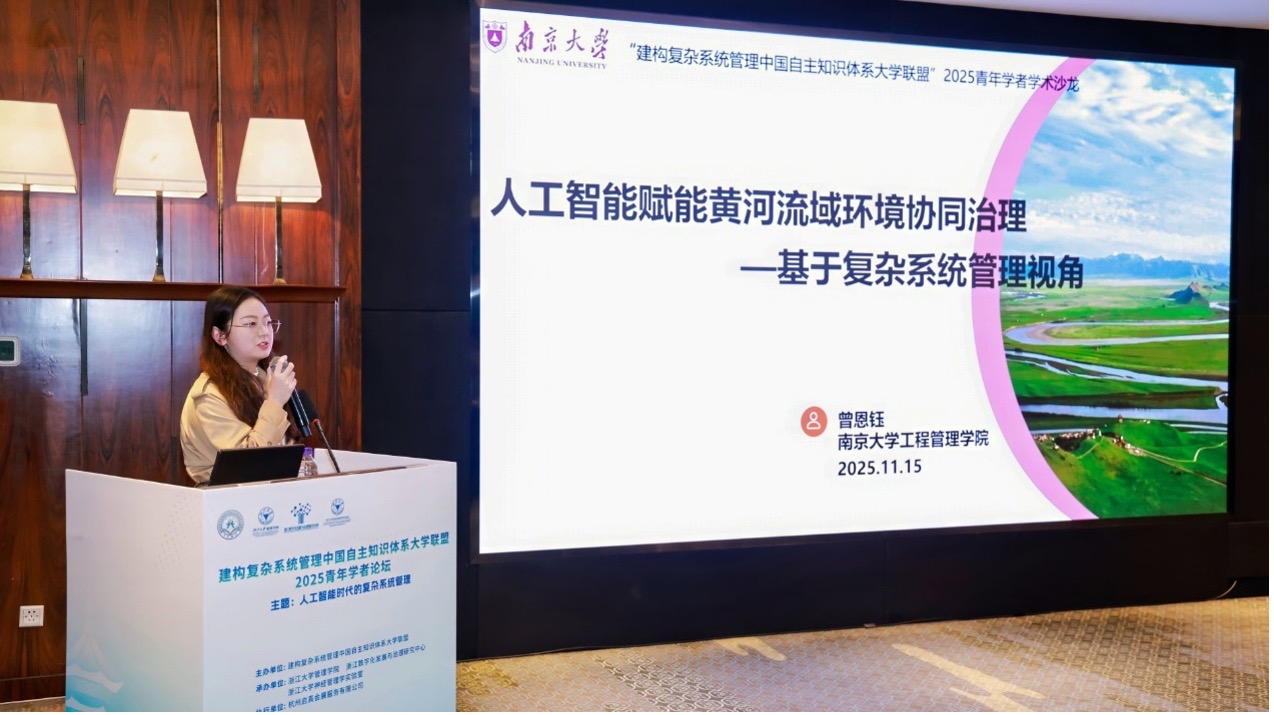
(Photo: Doctoral student Zeng Enyu delivering an academic report)
Professor Zhang Dongxiang from Zhejiang University systematically introduced the core technologies of big data intelligent computing. Starting from the diverse types and core characteristics of big data, he sequentially explained spatiotemporal big data analysis aimed at revealing laws, multimedia big data analysis for processing images and videos, high-dimensional big data analysis to overcome the curse of dimensionality, and streaming big data analysis for real-time insights. Finally, he discussed how to build an automated intelligent decision-making system to empower complex systems management.
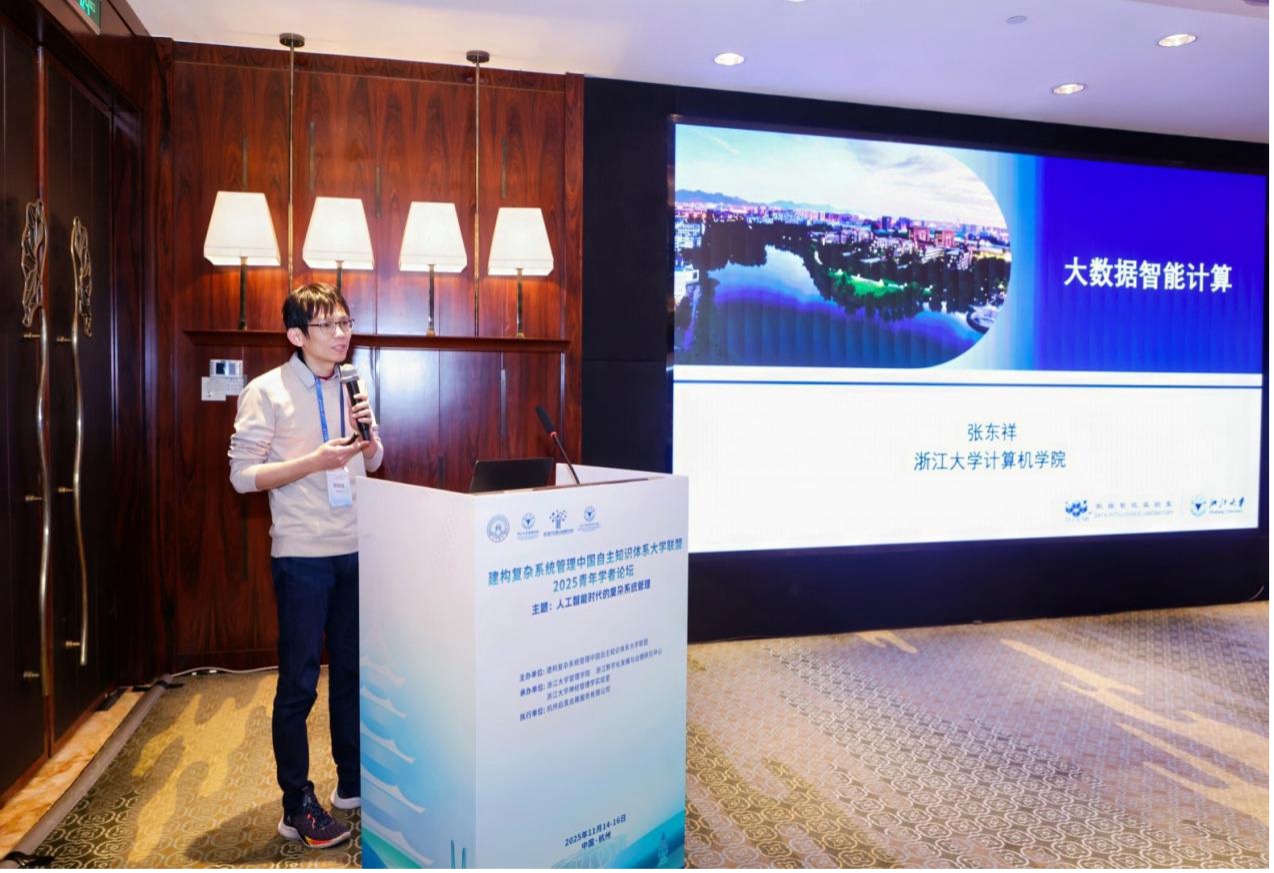
(Photo: Professor Zhang Dongxiang delivering an academic report)
## III. Visit to the Neuromanagement Laboratory
At noon on November 16, 2025, the participating scholars visited the Neuromanagement Laboratory of Zhejiang University under the accompaniment of relevant teachers, and had an intimate contact with behavioral decision-making, EEG experiments, eye-tracking experiments, VR experiments, etc. This visit provided the participating scholars with an intuitive understanding of neuromanagement experimental methods and promoted exchanges between them at the level of research technology and practical experience.
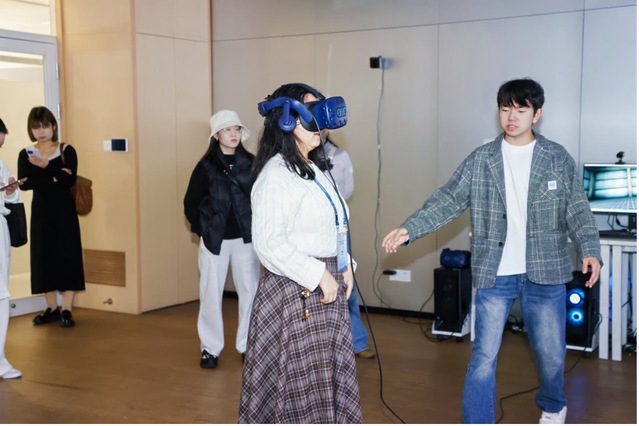
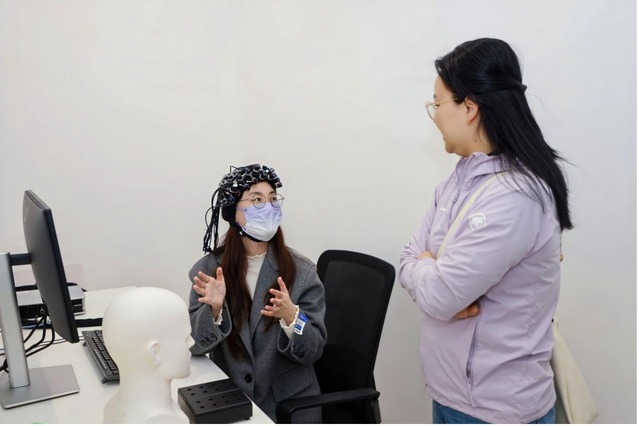
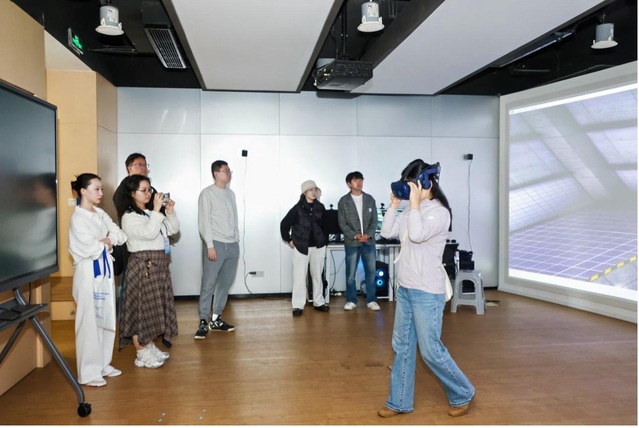
(Photo: Participating scholars visiting the Neuromanagement Laboratory of Zhejiang University)
This youth forum conducted in-depth exchanges around cutting-edge issues of AI large models and complex systems management. The report content covers diverse scenarios such as socio-technical network computing, LLM-driven simulation, ABM-LLM hybrid architecture, and Yellow River Basin governance, jointly building a methodological map and disciplinary dialogue platform for emerging challenges. The seminar not only demonstrated the innovative vitality of the field of complex systems management but also injected new ideological momentum into promoting the sinicization exploration and the construction of an independent knowledge system of academic research in this field.
