
From September 12 to 13, 2025, the 2nd Academic Forum of the University Alliance for Building China's Independent Knowledge System of Complex Systems Management was successfully held at School of Management, Fudan University. The forum was hosted by the University Alliance for Building China's Independent Knowledge System of Complex Systems Management and co-organized by Fudan University, Shanghai Jiao Tong University, and Tongji University.
## I. Working Meeting of the Alliance Council
On the evening of September 12, 2025, the Working Meeting of the Alliance Council was held at the Zhengli Campus of School of Management, Fudan University. Director representatives from more than 30 alliance governing units attended the meeting.
Professor Yu Honghai, Secretary-General of the Alliance, introduced the main work of the alliance over the past year, including the progress of the alliance's official website, Series of Books, and Collection of Essays. Professor Huang Lihua, Vice Chairman of the Alliance, presented the preparations for the 2nd Academic Forum of the Alliance. Professor Zhou Jing, Director of the Alliance, introduced the background and award details of the Sheng Zhaohan Complex Systems Management Development Fund, Nanjing University. The meeting also conducted in-depth discussions on important matters such as thematic academic seminars of the alliance, the current development status and future plans of the alliance.
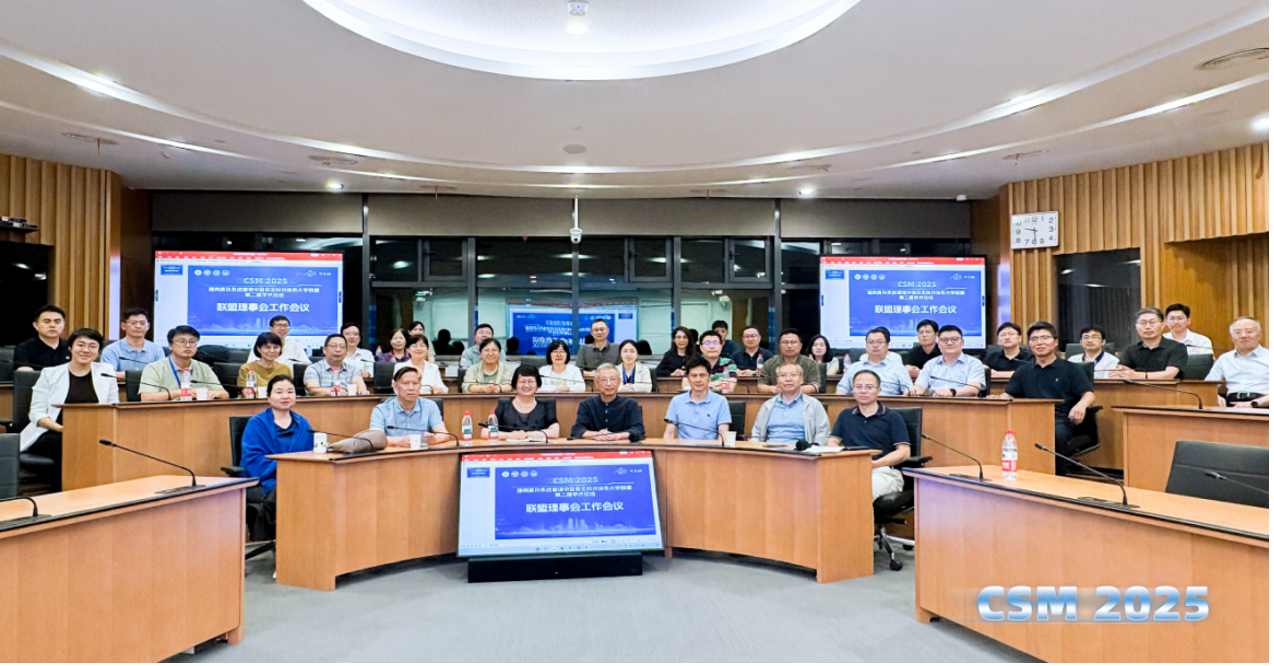
(Photo: Group photo of the Alliance Council)
## II. Opening Ceremony
On the morning of September 13, 2025, the opening ceremony of the 2nd Academic Forum was held at the Guoshun Campus of School of Management, Fudan University. Li Yaopeng, Secretary of the Party Committee of School of Management, Fudan University, Yan Yan, Director of the Editorial Department of Management World, representatives from more than 50 alliance universities, and other invited guests attended the conference. The opening ceremony was hosted by Professor Huang Lihua from School of Management, Fudan University.
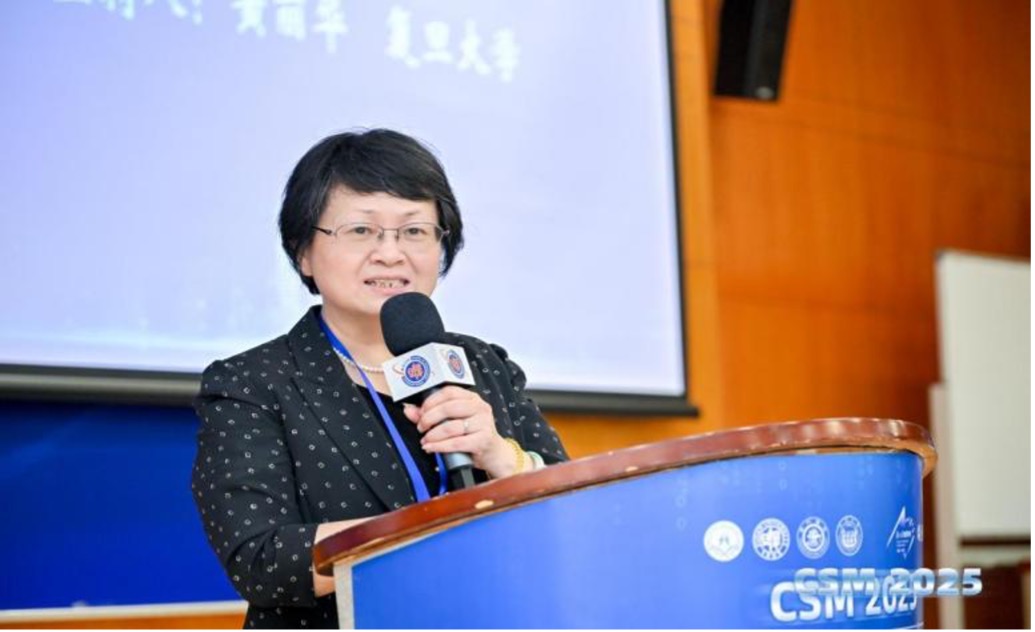
(Photo: Professor Huang Lihua hosting the conference)
In his speech, Secretary Li Yaopeng noted that this year marks the 120th anniversary of the university's founding, and he extended a warm welcome to all delegates and experts on behalf of Fudan University. Secretary Li highly affirmed the significance of the alliance's academic forum, pointing out that earlier this year, General Secretary Xi Jinping emphasized the need to promote the positive interaction between independent innovation and independent talent training, advance the intelligent and theoretical innovation of philosophy and social sciences, and continuously enhance the ability to serve national major strategies and the development of science, technology, and society. Against the backdrop of complex global changes, building China's independent knowledge system of complex systems management is particularly important, which requires long-term and continuous exchanges and joint efforts from all parties. This conference conducts in-depth summaries around practices such as the development of manufacturing enterprises and national defense modernization, serving as a new starting point for work exchanges and is expected to help build China's independent knowledge system nationwide and contribute to the country's journey towards strength. Finally, Secretary Li expressed his best wishes for the smooth progress of the event and the health of all participants.
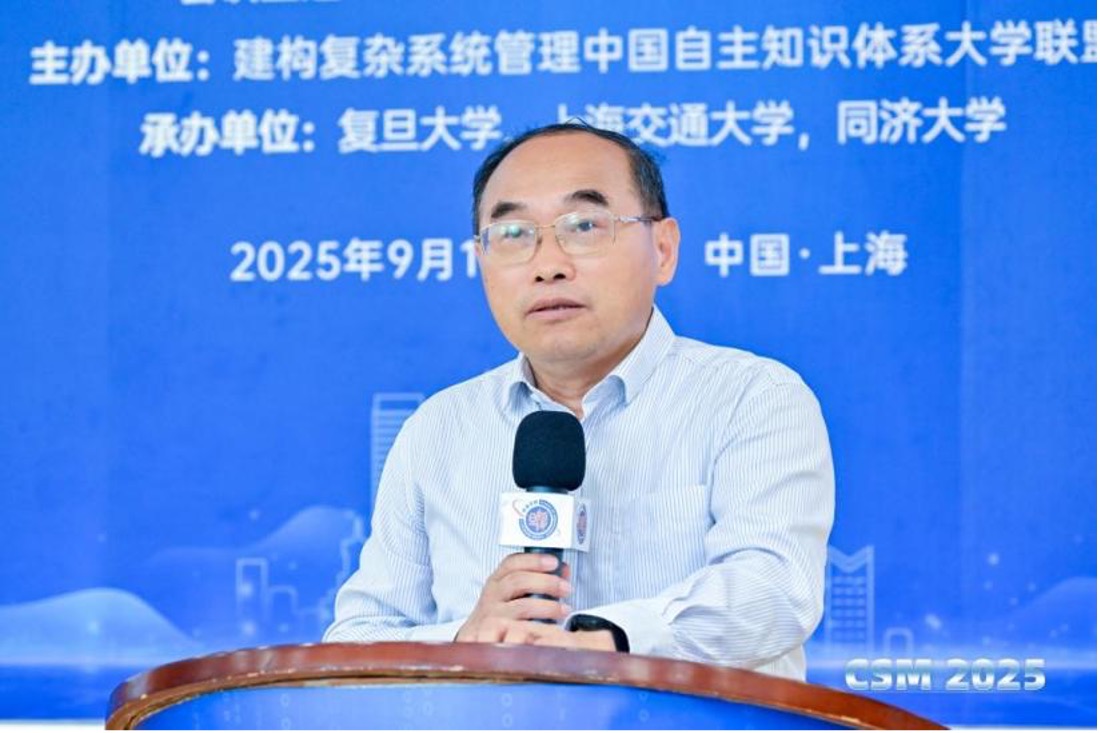
(Photo: Li Yaopeng, Secretary of the Party Committee of School of Management, Fudan University, delivering a speech)
Professor Zeng Saixing from Shanghai Jiao Tong University stated in his speech that over the past year, the alliance has organized a series of academic activities of great significance. Professor Zeng expressed his delight at reuniting with everyone and thanked the current era for providing a positive, open, and innovative development environment for the alliance team. In the new year, the alliance looks forward to continuing to share the research achievements of young scholars through organizing seminars, striving to build the alliance into a high-level platform, and contributing to the future development of science, theoretical innovation, and practice.
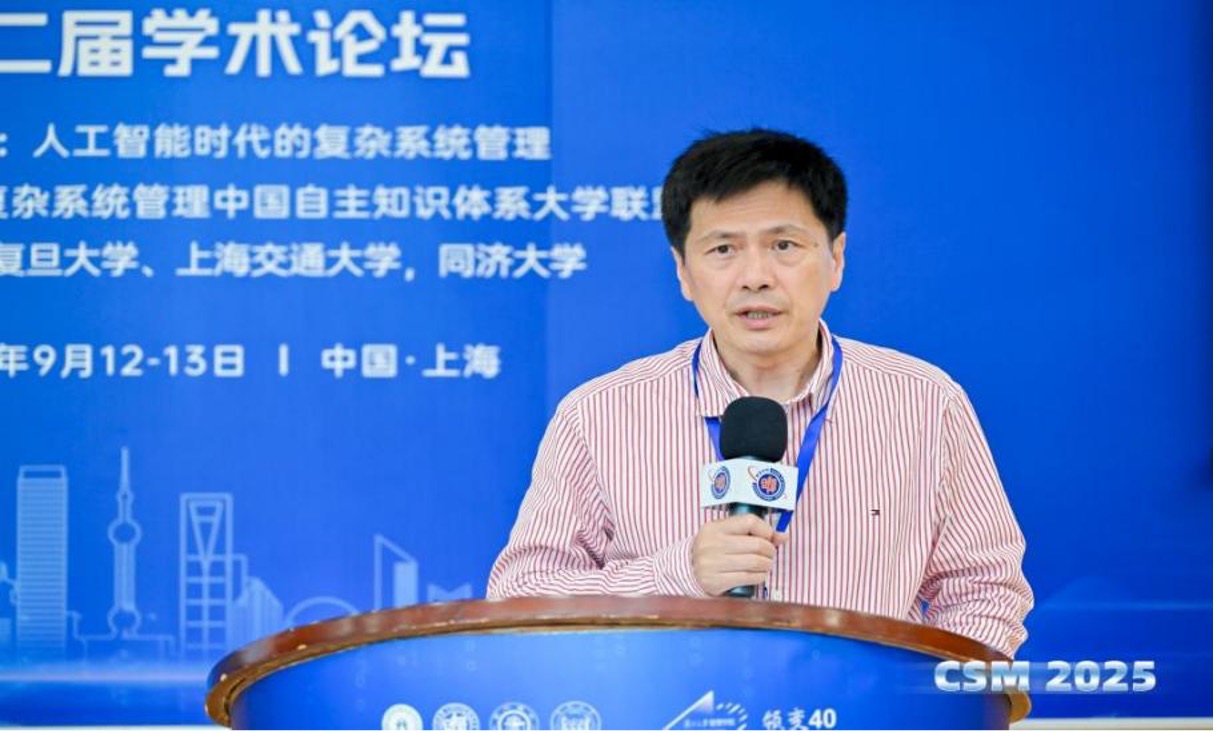
(Photo: Professor Zeng Saixing delivering a speech)
Yan Yan, Director of the Editorial Department of Management World, congratulated School of Management, Fudan University on the 40th anniversary of its restoration and Management World on the 40th anniversary of its founding. She noted that in recent years, experts and scholars from various fields of China's philosophy and social sciences have actively responded to General Secretary Xi Jinping's call at the Symposium on Philosophy and Social Sciences Work to construct a philosophy and social sciences with Chinese characteristics, and strived to build China's independent knowledge system. Based on the management practice of China's aerospace industry, the complex system theory and meta-synthesis methodology system proposed by Mr. Qian Xuesen, a theory put forward by Chinese scholars based on successful practice, still guides the management practice of various complex systems in China. At the beginning of 2025, Management World released 25 major research topics, including Complex Systems Management Theory and Application, hoping to gather the wisdom of experts from the academic community through the platform of academic journals and welcome more experts and scholars to submit manuscripts to Management World to jointly promote the development of complex systems management theory.
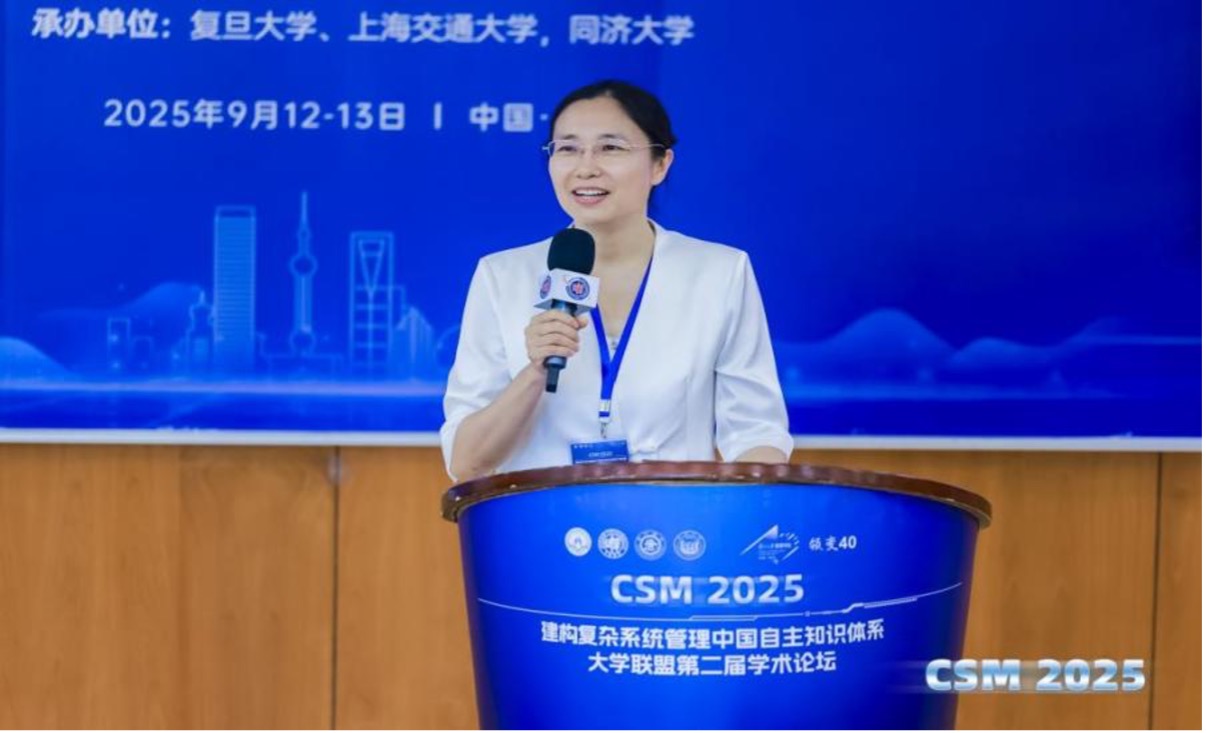
(Photo: Yan Yan, Director of the Editorial Department of Management World, delivering a speech)
## III. Awarding of the Outstanding Contribution Award by the Sheng Zhaohan Complex Systems Management Development Fund, Nanjing University
After the opening ceremony, Professor Zhou Jing from Nanjing University announced the winners of the Outstanding Contribution Award by the Sheng Zhaohan Complex Systems Management Development Fund, Nanjing University.
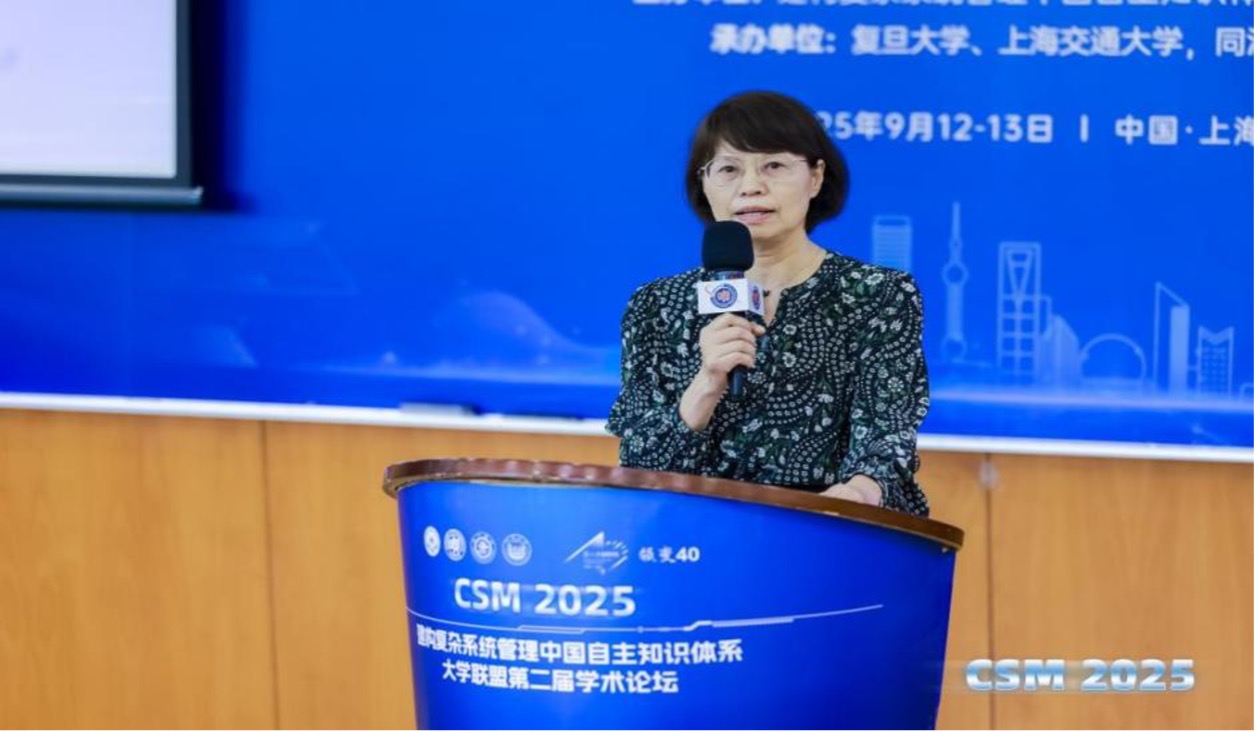
(Photo: Professor Zhou Jing announcing the list of winners)
On behalf of the Sheng Zhaohan Complex Systems Management Development Fund, Nanjing University, Professor Sheng Zhaohan presented the awards to the winners. The winners are Tan Yuejin from National University of Defense Technology, Zeng Saixing from Shanghai Jiao Tong University, Zeng Dajun from University of Chinese Academy of Sciences, Tong Yu from School of Management, Zhejiang University, and Fang Chao from Xi'an Jiaotong University (in order of age).
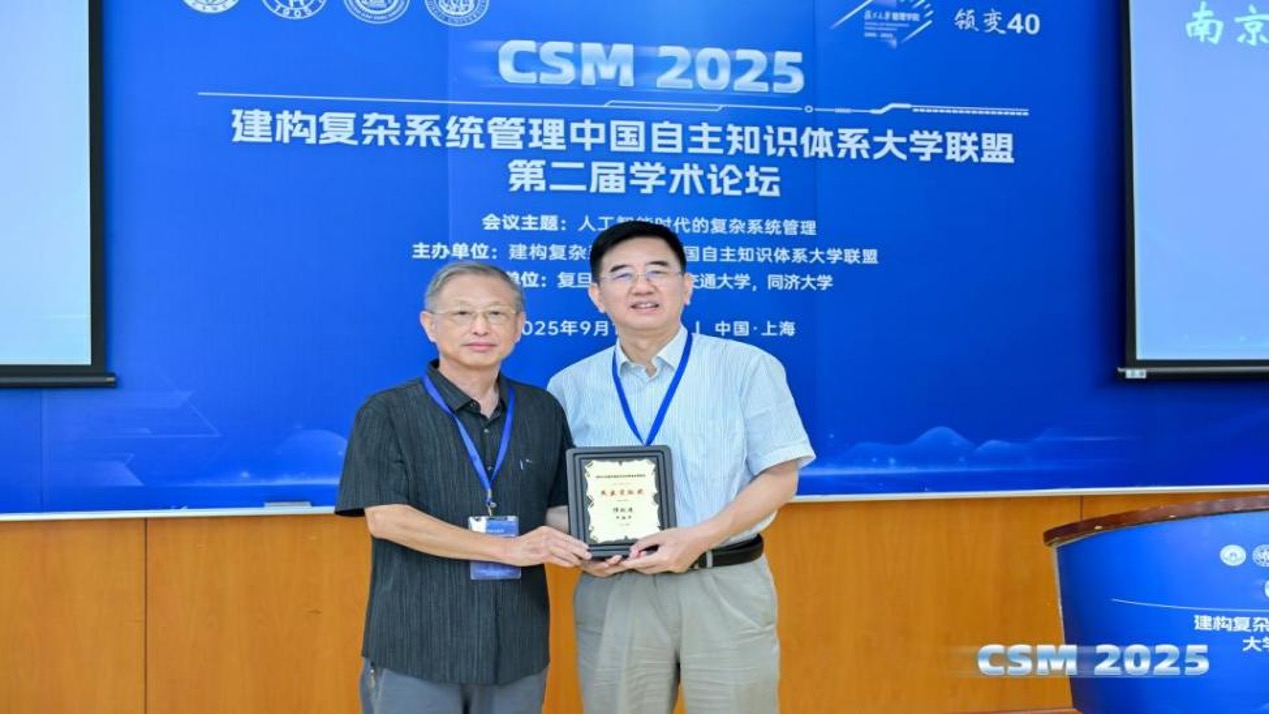
(Photo: Group photo of Professor Sheng Zhaohan and Professor Tan Yuejin)
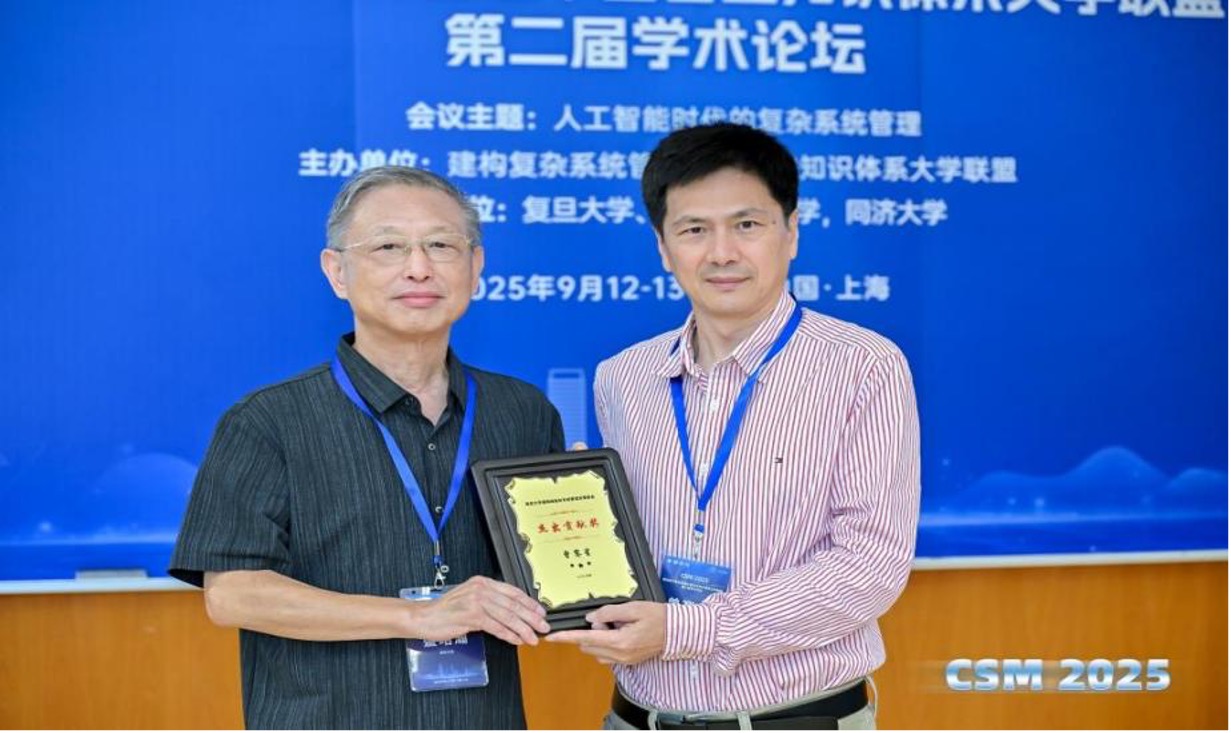
(Photo: Group photo of Professor Sheng Zhaohan and Professor Zeng Saixing)
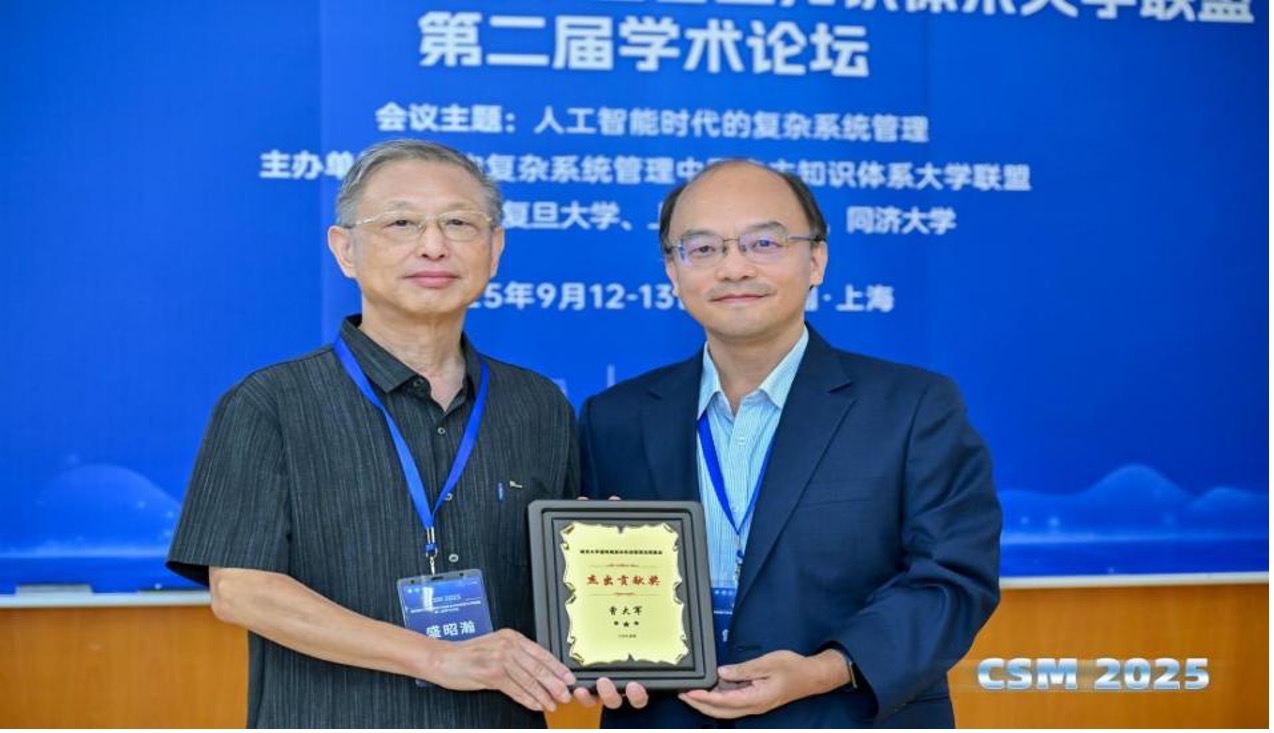
(Photo: Group photo of Professor Sheng Zhaohan and Researcher Zeng Dajun)
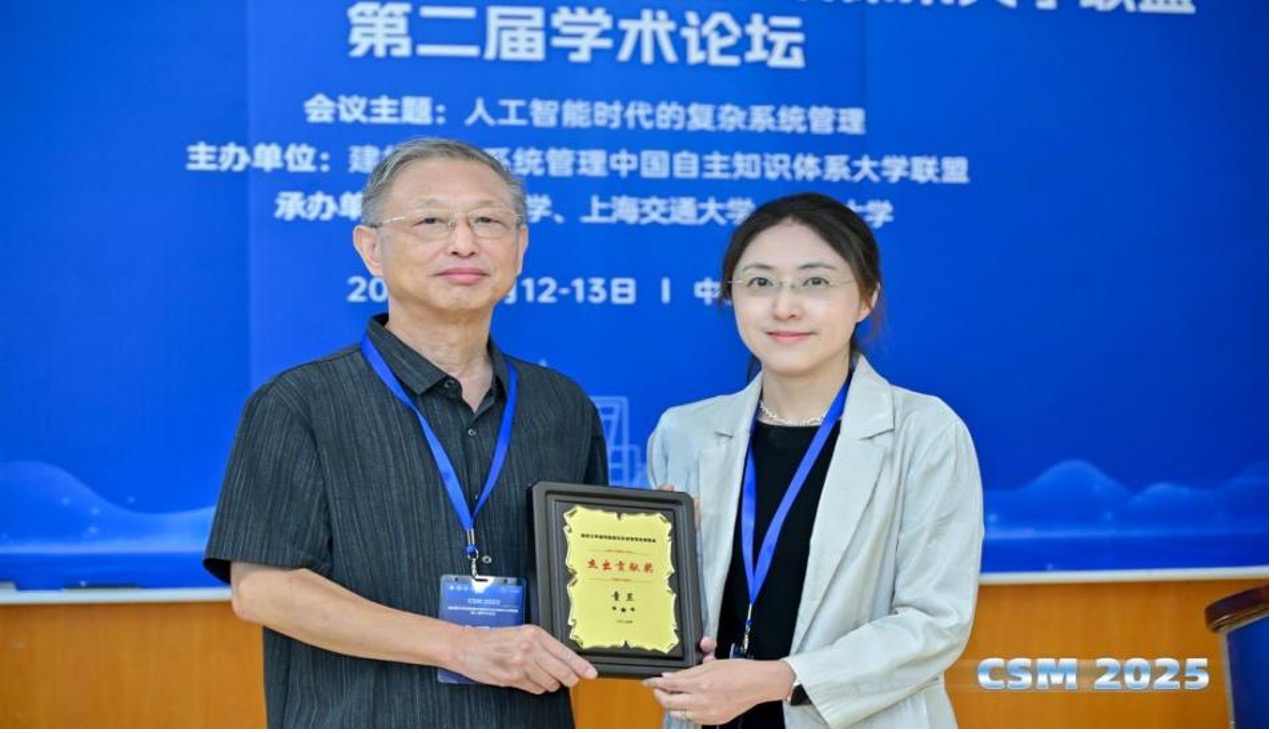
(Photo: Group photo of Professor Sheng Zhaohan and Professor Tong Yu)
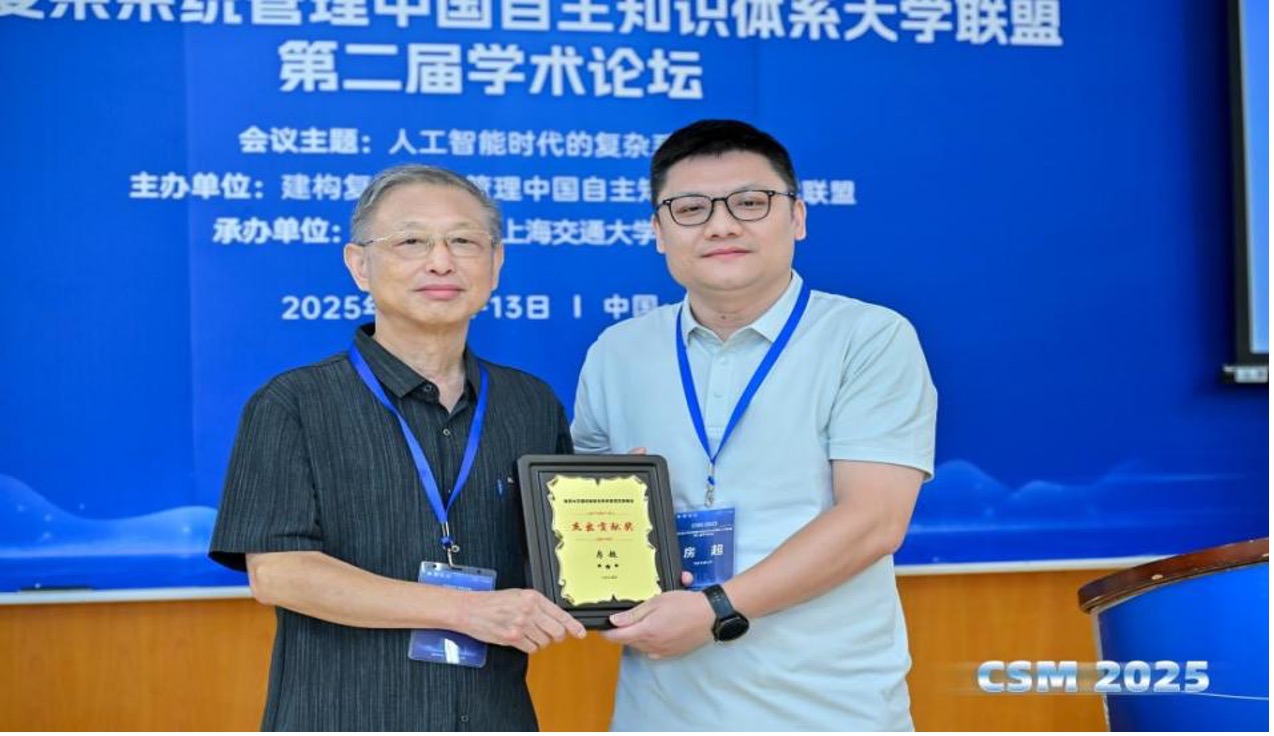
(Photo: Group photo of Professor Sheng Zhaohan and Professor Fang Chao)
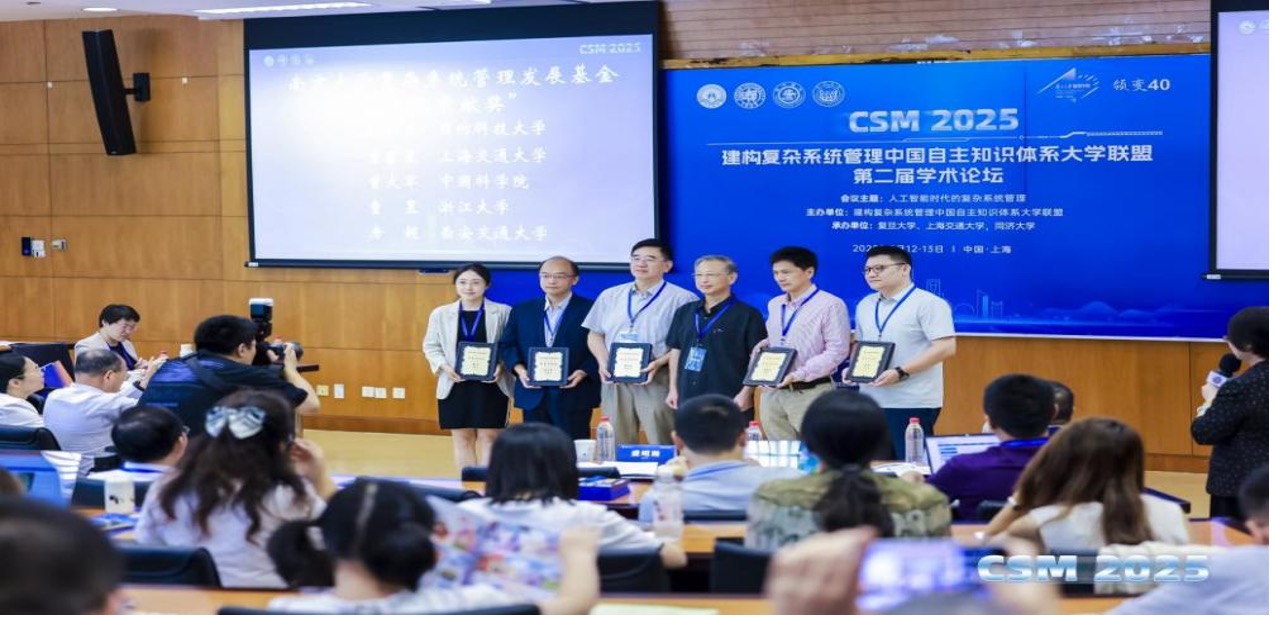
(Photo: Group photo of Professor Sheng Zhaohan and the 5 winners of the Outstanding Contribution Award)
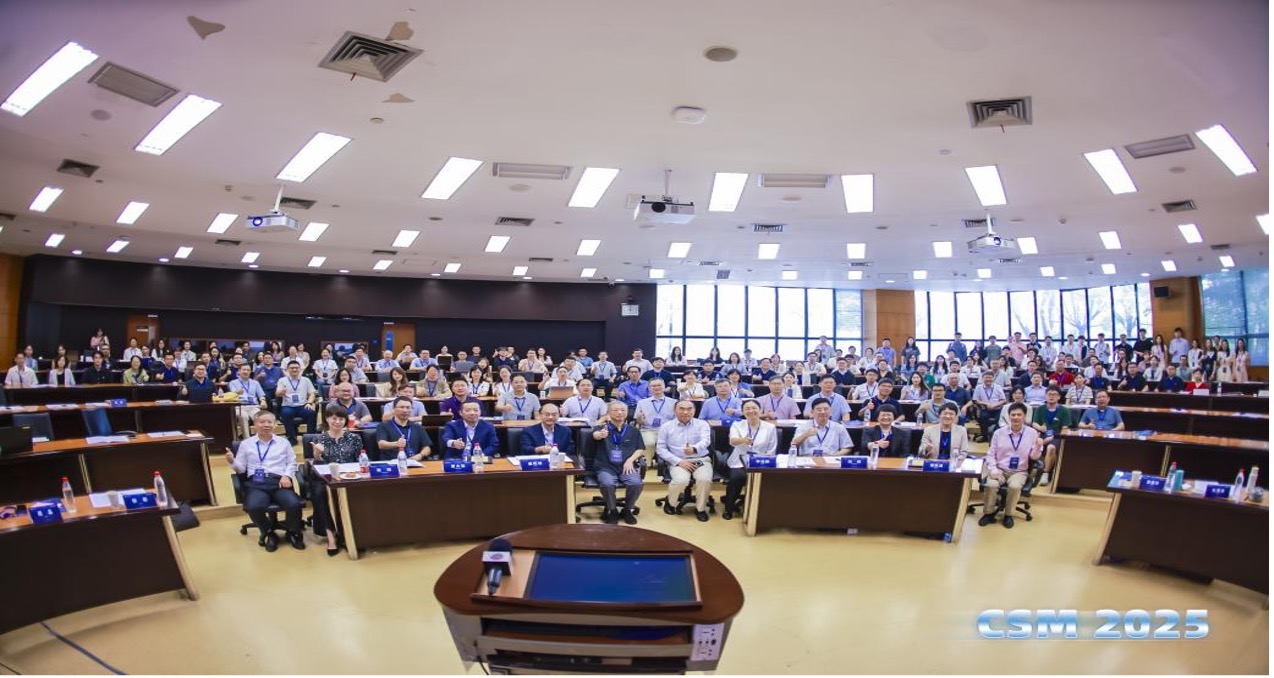
(Photo: Group photo of the opening ceremony and academic forum)
## IV. Plenary Keynote Reports
After the award ceremony, the plenary keynote reports continued at the Guoshun Campus of School of Management, Fudan University. Focusing on cutting-edge fields such as artificial intelligence, large-scale engineering development, and digital transformation, the conference discussed the theoretical innovation and practical application of complex systems management. Experts and scholars from universities, research institutions, and enterprises shared their explorations and insights in the field of complex systems management. The plenary keynote reports were hosted by Professor Le Yun from Tongji University and Professor Du Huibin from Tianjin University respectively.
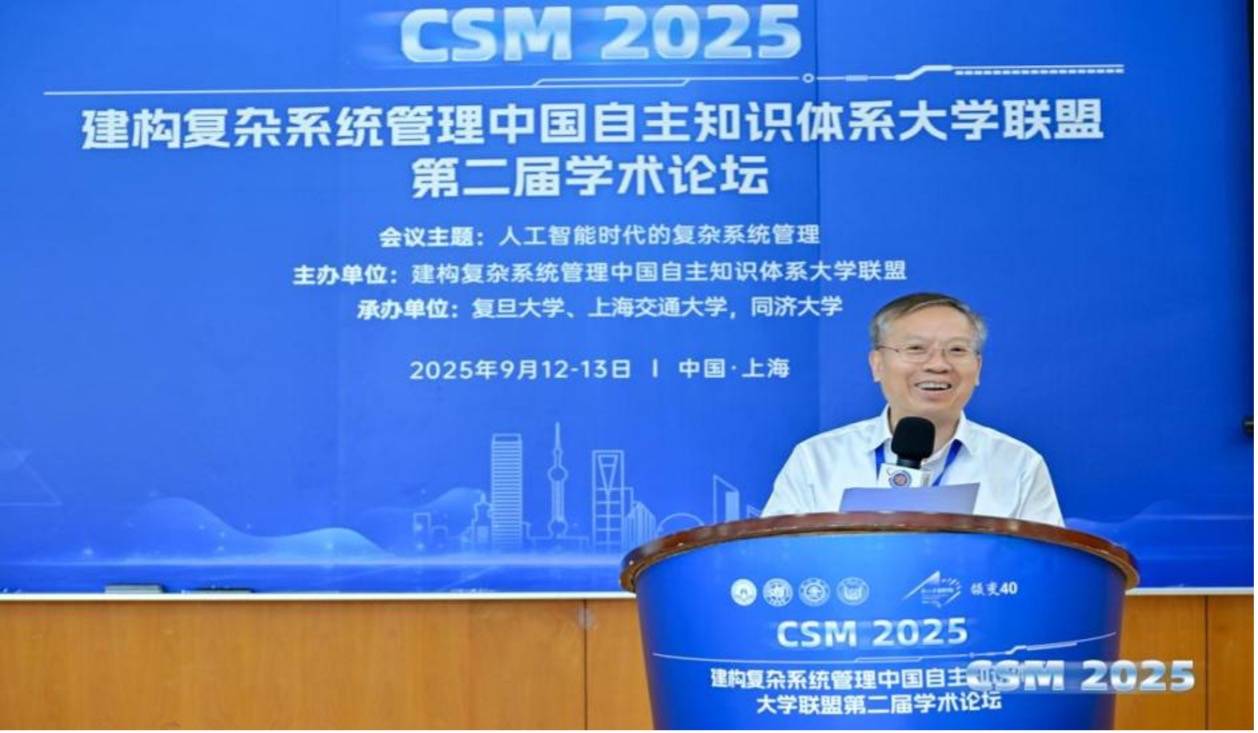
(Photo: Professor Le Yun hosting the conference)
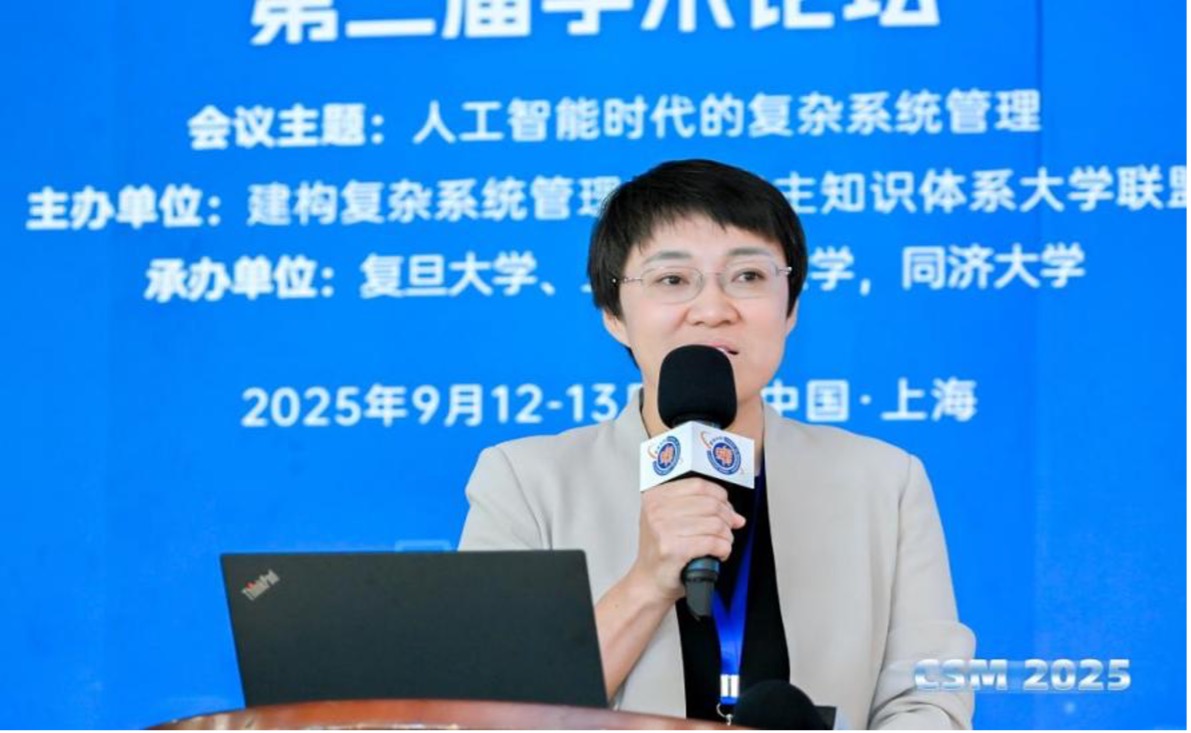
(Photo: Professor Du Huibin hosting the conference)
At the forum, Researcher Zeng Dajun from the University of Chinese Academy of Sciences delivered an academic speech titled Panshi Large Model Independently Developed by China. Researcher Zeng introduced the research background and goals of the Panshi Large Model, aiming to build a basic scientific large model. He pointed out that the in-depth integration of artificial intelligence and scientific research is becoming a key development direction, with countries attaching great importance to and actively deploying relevant initiatives. China has also launched special programs to promote the application of AI in scientific research, but still faces challenges in interdisciplinary integration and research model innovation. To build national scientific research advantages, it is necessary to systematically integrate AI with scientific thinking, develop basic large models and scientific computing platforms covering multiple disciplines, connect data, tools, and experimental links, and promote wet-dry integration and cross-scale collaboration. Despite fierce international competition, with the further integration of AI with various fields, it is expected that more efficient and open new scientific research paradigms and achievements such as the Panshi Large Model will emerge.
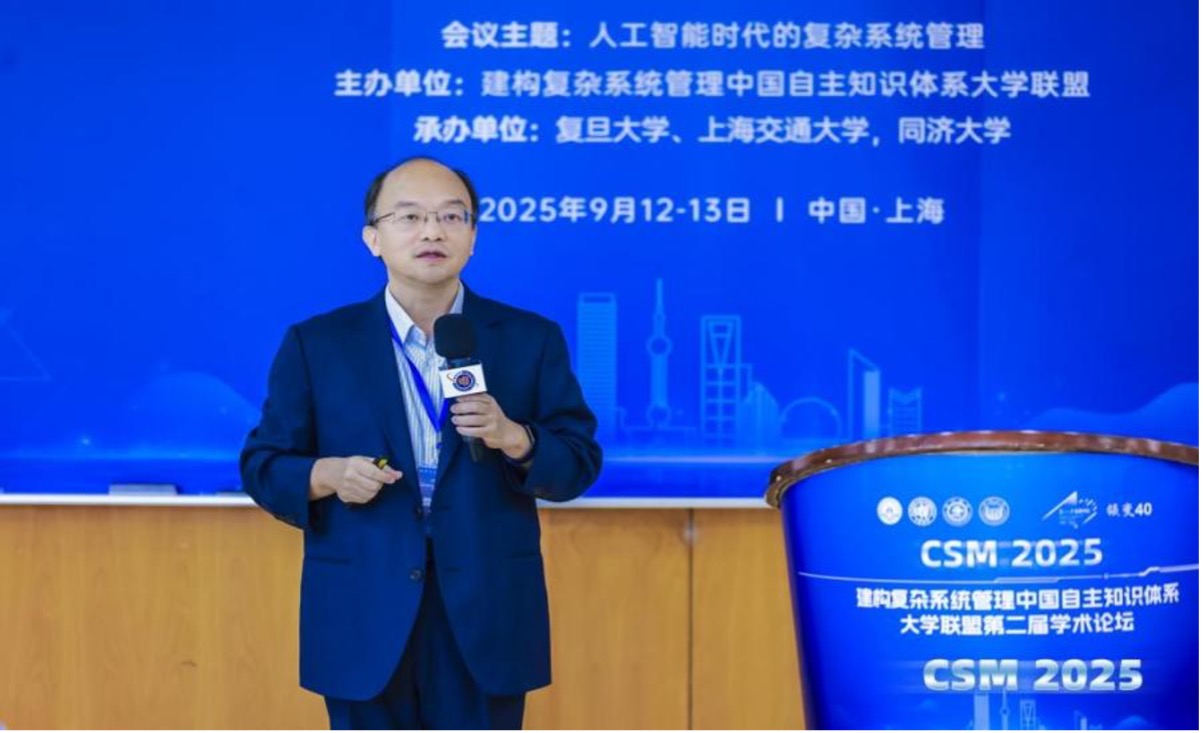
(Photo: Researcher Zeng Dajun delivering an academic report)
Engineer Chen Gang, General Manager of Shanghai Waigaoqiao Shipbuilding Co., Ltd., delivered an academic speech titled Development and Manufacturing of Complex Engineering of Large-Scale Cruise Ships in China, introducing the development process of China's first domestically built large-scale cruise ship Adora Magic City, which filled the gap in China's large-scale cruise ship field. General Manager Chen noted that AI technology is empowering the upgrading of China's cruise ship manufacturing and industrial chain, with the Ministry of Industry and Information Technology continuously supporting the field of major equipment and promoting the development of the domestic cruise ship economy and industrial clusters. Currently, China has become the world's largest shipbuilding country, with the successful delivery of the first domestically built large-scale cruise ship and the start of construction of the second. The technical gap between China and foreign countries is gradually narrowing, but key links in the industrial chain still rely on Europe, and there are challenges in high-end equipment, precision manufacturing, and complex engineering management. In the future, China needs to break through the dependence on high-end equipment, build an independent cruise ship design platform and a full-process industrial chain to achieve the goal of becoming a strong shipbuilding nation.
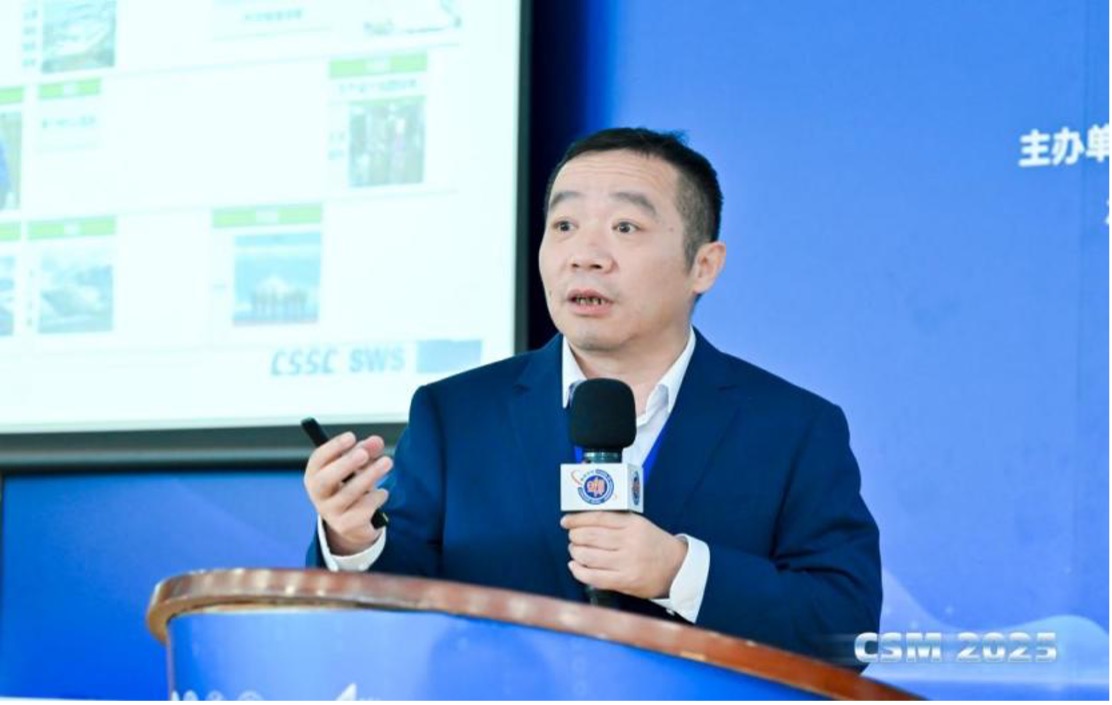
(Photo: General Manager Chen Gang delivering an academic report)
Professor Tan Yuejin from National University of Defense Technology delivered an academic speech titled Inheritance and Development of Qian Xuesen's 'Great Achievements and Wisdom' Systems Engineering in the Digital Intelligence Era. In the current practice of enterprise informatization and systems engineering, China's equipment manufacturing industry is significantly enhancing its capabilities in project management, organizational collaboration, and the entire product life cycle through the in-depth integration of digital technology, artificial intelligence, and complex systems management methods. Enterprises have achieved multi-level plan collaboration and refined management, and absorbed advanced experience in international cooperation to promote the independent R&D of high-tech equipment and the upgrading of the industrial chain. The meta-synthesis methodology and systems engineering thinking proposed by Qian Xuesen have provided theoretical support for the R&D of complex systems, promoting the widespread application of interdisciplinary integration, qualitative-quantitative combination, and model-driven system design. In the future, further integrating AI, big data, and systems engineering to achieve system adaptability, rapid iteration, and intelligent decision-making will be the core path to promote the high-end, green, and international development of China's manufacturing industry.
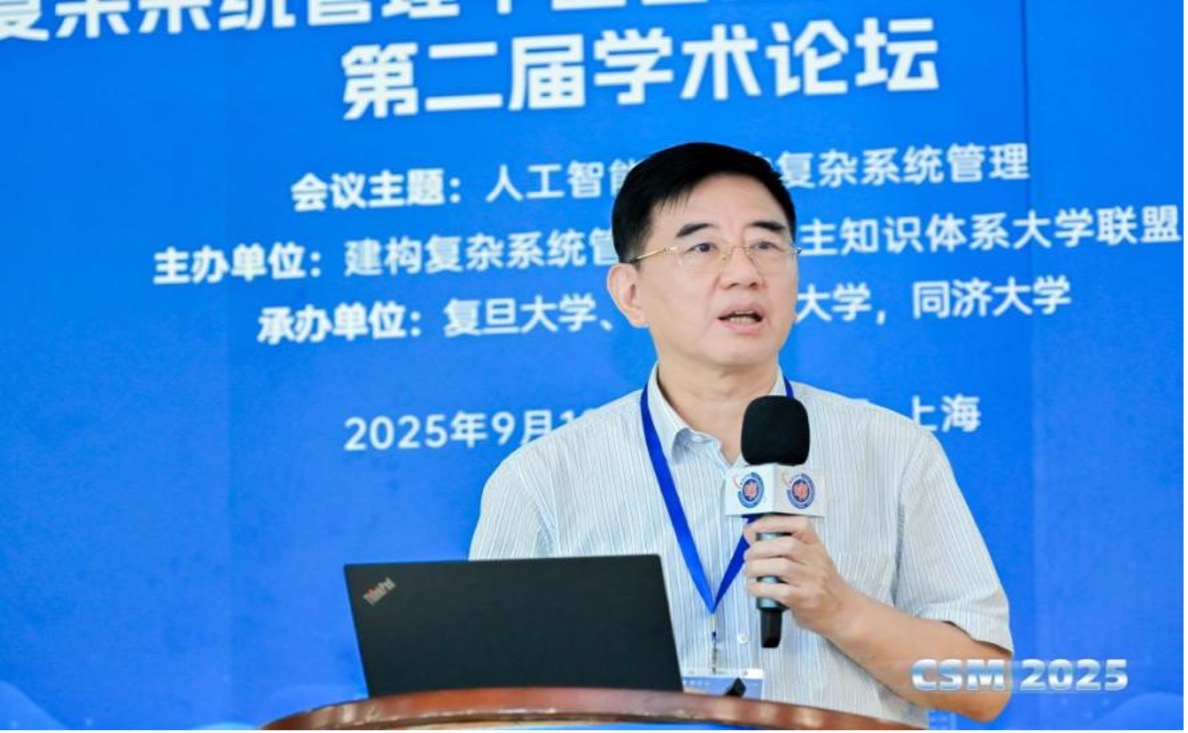
(Photo: Professor Tan Yuejin delivering an academic report)
Xu Bin, Senior Research Expert from the 2012 Laboratory Strategy Research Institute of Huawei, delivered an academic speech titled Huawei's Systems Engineering Practice and Reflections on the Future at the forum. Expert Xu shared Huawei's theoretical research and practical reviews in the field of systems engineering. He introduced Huawei's business layout, including two core industries of connectivity and computing, as well as innovative businesses such as Huawei's mobile phone terminals, digital energy, and intelligent automotive solutions. Expert Xu also talked about Huawei's explorations in complexity management, including structural complexity, dynamic complexity, and socio-political complexity. He emphasized that the development of emerging technologies such as artificial intelligence has brought tremendous challenges to enterprises, and Huawei needs to face and adapt to these changes. He introduced Huawei's explorations in the field of systems engineering, highlighting the importance of complexity management for enterprise competitiveness. Huawei has solved complex problems such as chip R&D and the localization of tool software through systems engineering methods. In the future, it will continue to explore three directions of complexity management: leveraging complexity, mastering complexity, and grafting complexity.
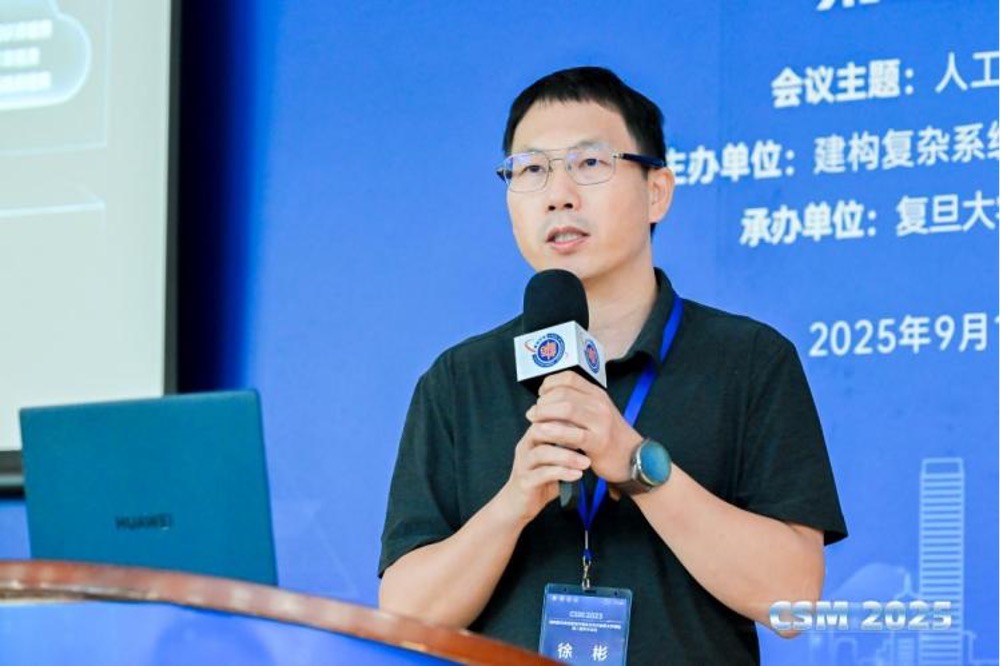
(Photo: Senior Research Expert Xu Bin delivering an academic report)
Professor Huang Lihua from School of Management, Fudan University delivered an academic speech titled Path Analysis of Cultivating the Data Market—From the Perspective of Complex Systems Management. Professor Huang pointed out that the construction of the current data factor market faces multiple challenges, including difficulties in data right confirmation, imperfect market mechanisms, insufficient circulation technology, and inadequate national data infrastructure, which are institutional and technical barriers. Due to the multi-dimensional attributes of data and the high uncertainty of the market, its design needs to be regarded as a complex socio-technical system issue. To address these problems, it is necessary to proceed from the perspective of complex systems management, combine innovative thinking and multi-scale analysis methods, promote mechanism innovations such as data classification and grading and authorized operation of public data, and build a knowledge system with Chinese characteristics that balances the right allocation of all links in the data value chain, ultimately realizing the market-oriented circulation of data factors and the shared digital dividends for all people.
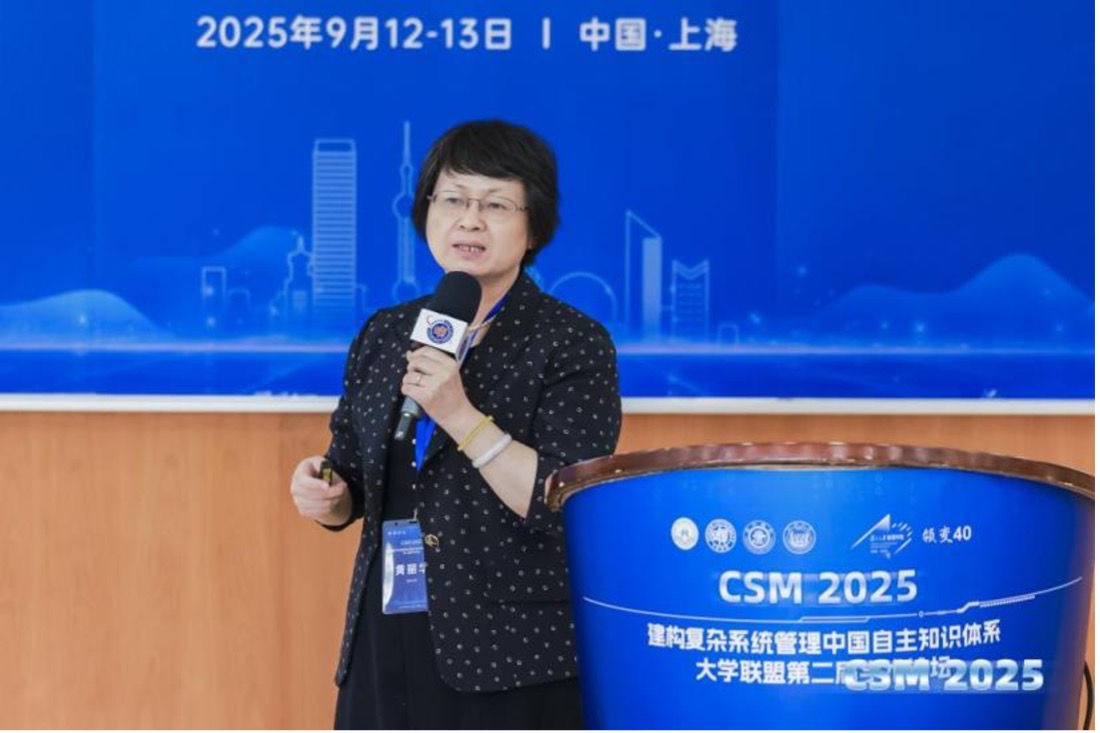
(Photo: Professor Huang Lihua delivering an academic report)
## V. Expanded Meeting of Alliance Member Units
At noon on September 13, 2025, the Expanded Meeting of Alliance Member Units was held at School of Management, Fudan University. Representatives from more than 10 universities attended the meeting, which was hosted by Professor Sheng Zhaohan from Nanjing University. The meeting elaborated on the background and purpose of the alliance's establishment, as well as the responsibilities of alliance members and the key work for the future.
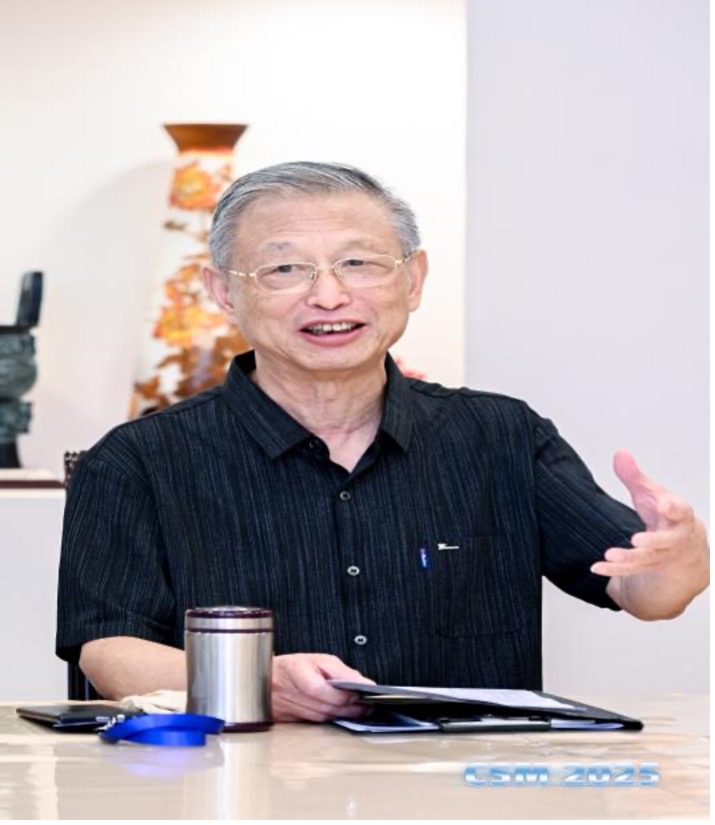
(Photo: Professor Sheng Zhaohan hosting the meeting)
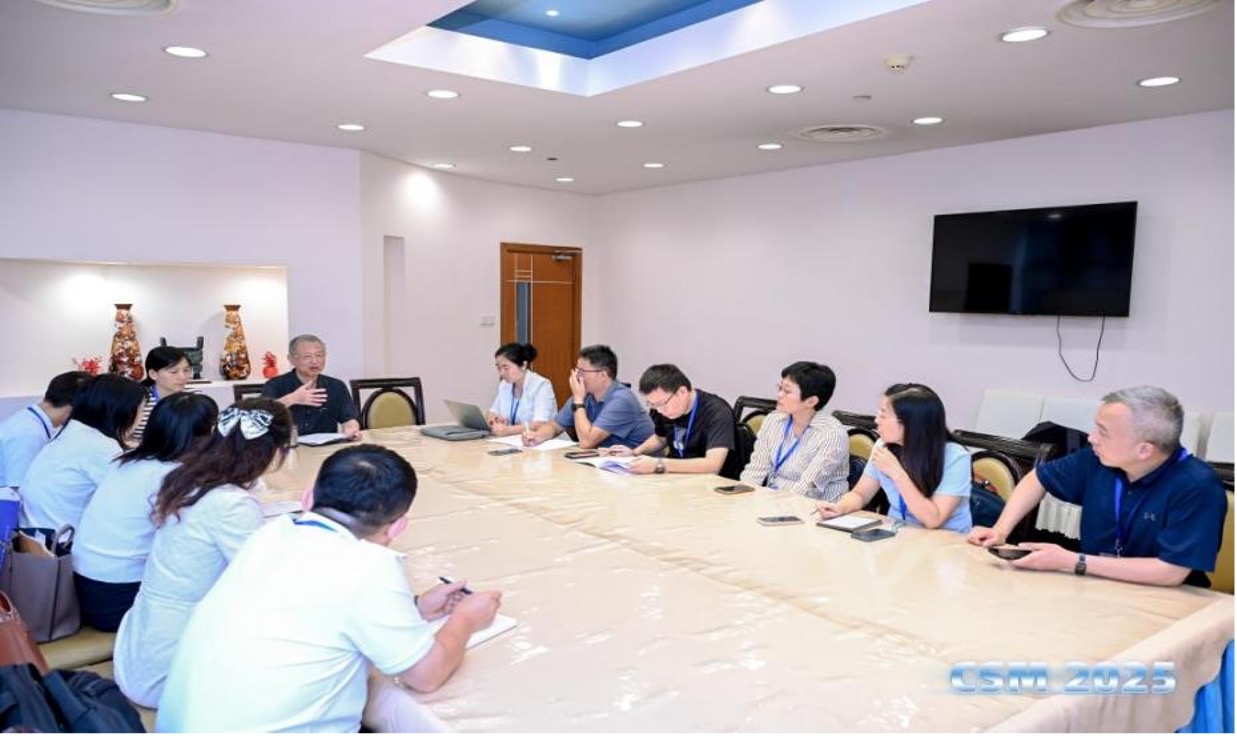
(Photo: Scene of the Expanded Meeting of Alliance Member Units)
## VI. Parallel Session Reports
On the afternoon of September 13, 12 parallel sessions were held at the Guoshun Campus of School of Management, Fudan University, with more than 50 scholar representatives and over 30 doctoral student representatives delivering academic reports.
Parallel Session 1: Data Factors and Data Circulation, co-hosted by Professor Huang Lihua and Professor Zhang Chenghong from School of Management, Fudan University, discussed the development of the data factor market and its facing challenges. Focusing on the value mining and circulation mechanism of the data factor market, participants conducted in-depth discussions on core challenges such as cognitive asymmetry, lack of trust, and value evaluation in data marketization. Many scholars shared cutting-edge achievements and practical cases from technical, governance, and contract design perspectives.
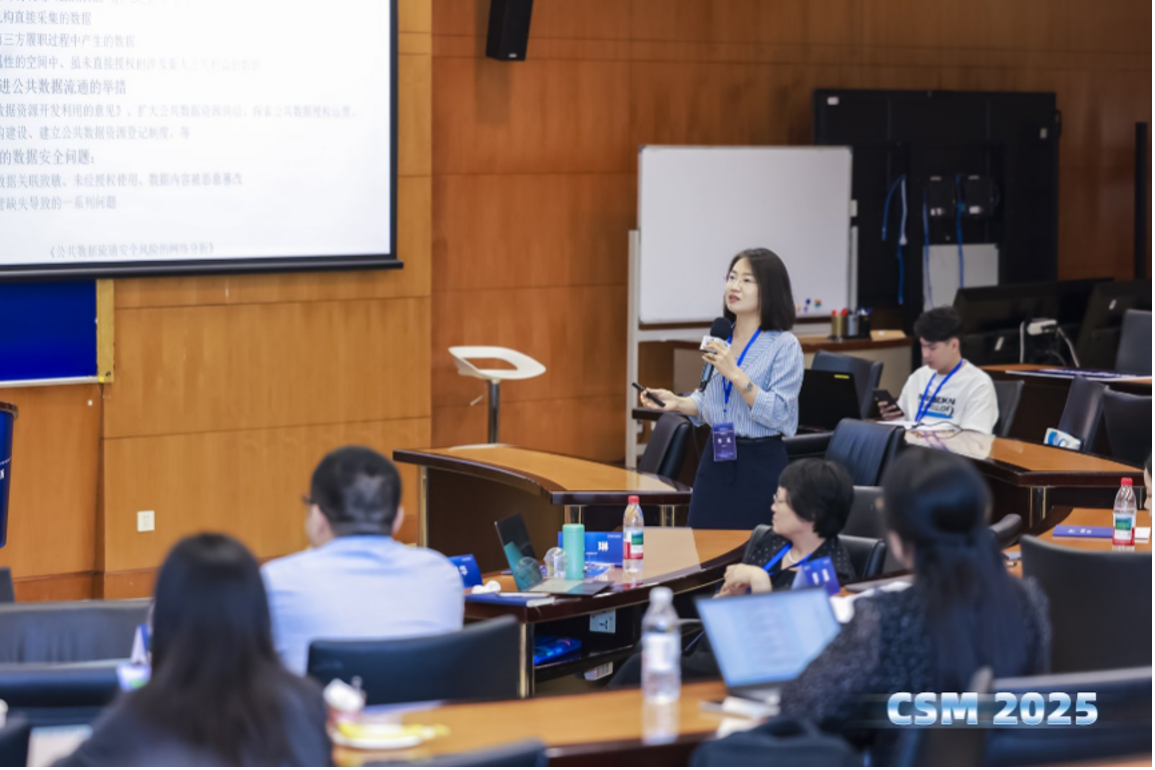
(Photo: Scene of Parallel Session 1)
Parallel Session 2: Independent Knowledge System of Complex Systems Management, co-hosted by Professor Le Yun and Professor Li Yongkui from Tongji University. The forum conducted in-depth discussions on the interdisciplinary application of complex systems engineering in artificial intelligence, major engineering governance, urban disaster resilience, etc. Many scholars shared research frameworks and methodologies in cutting-edge fields such as military-civilian integration and flood disaster response. During the seminar, experts and scholars also shared research achievements and practical ideas related to complex systems management from the perspectives of knowledge systems engineering, complex system innovation paradigms, resource mobilization mechanisms for desertification control, and whole-project governance of the Belt and Road initiative.
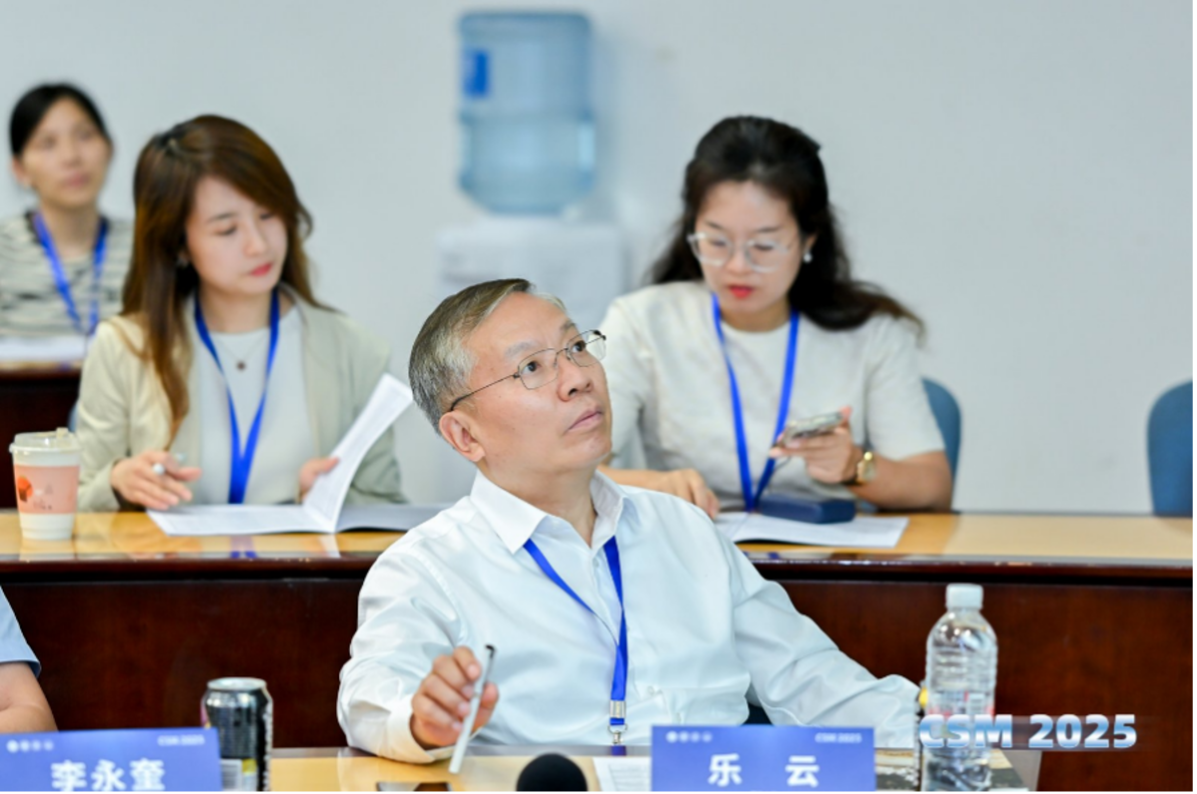
(Photo: Scene of Parallel Session 2)
Parallel Session 3: Supply Chain Resilience, co-hosted by Professor Wu Xiaole from School of Management, Fudan University and Professor Niu Baozhuang from South China University of Technology. The forum focused on supply chain system risks, cost laws, efficiency improvement, and resilience construction, discussing intelligent decision-making methods such as big data-driven modeling and large language model applications, as well as global supply chain network analysis. Participants conducted in-depth exchanges from theory to practice on key issues such as supply chain security, technical constraints, Chinese enterprises' overseas expansion, and public welfare network design, clarified future research directions, and emphasized the importance of supply chains in addressing uncertainty and achieving sustainable development.
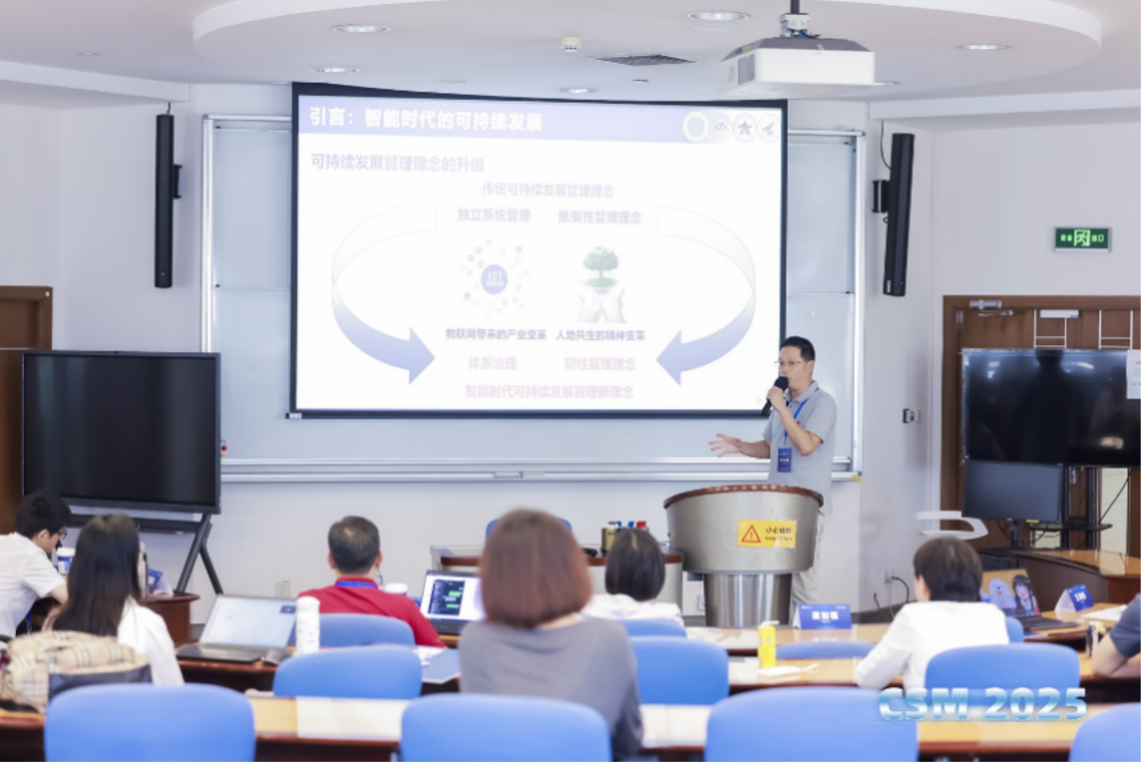
(Photo: Scene of Parallel Session 3)
Parallel Session 4: Intelligent Transportation, co-hosted by Professor Zhang Xiaoning from Tongji University and Professor Tong Jinping from Changzhou University. The forum focused on cutting-edge topics such as urban traffic congestion solutions, optimization of emergency material scheduling routes, and automatic operation systems of rail transit. Many scholars shared the latest research achievements in fields such as traffic policy modeling, network characteristic quantification, and intelligent scheduling algorithms.
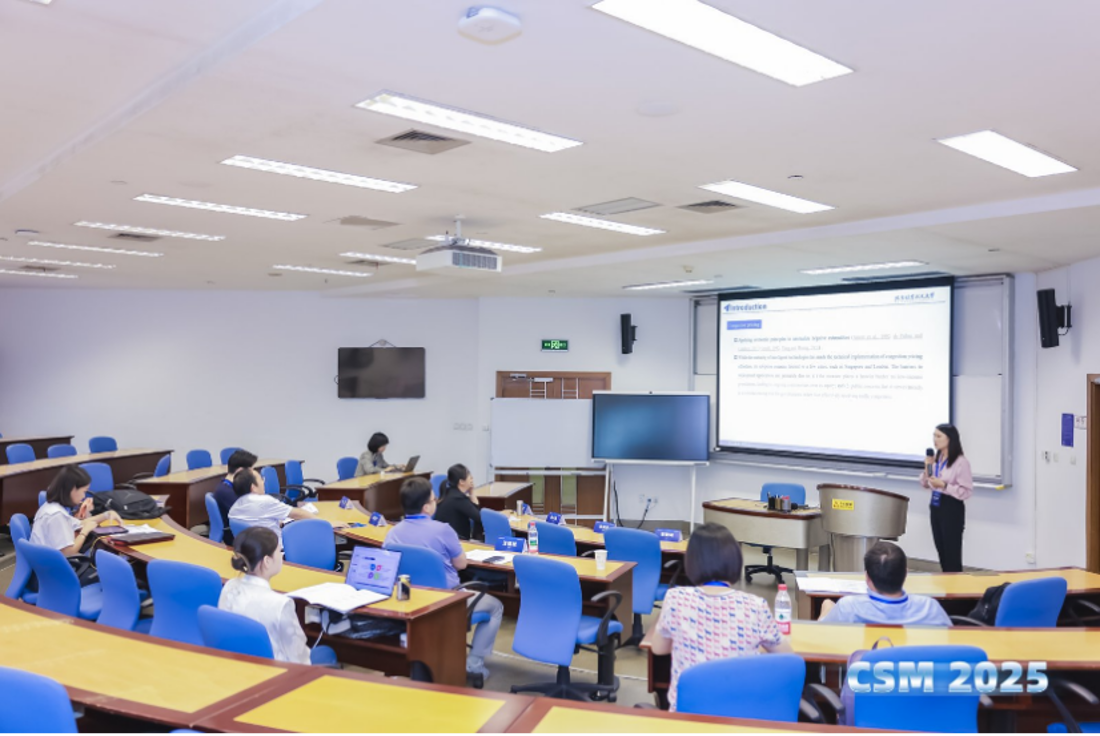
(Photo: Scene of Parallel Session 4)
Parallel Session 5: Complex Engineering Management, co-hosted by Professor Mai Qiang from Harbin Institute of Technology and Professor Zou Xiaowei from Chang'an University. The forum focused on cutting-edge topics such as complex systems management, inter-organizational collaboration, and the application of intelligent technologies in major engineering projects. Many scholars shared empirical research and theoretical explorations in fields such as aviation operations, coal mine safety, and warehousing and logistics.
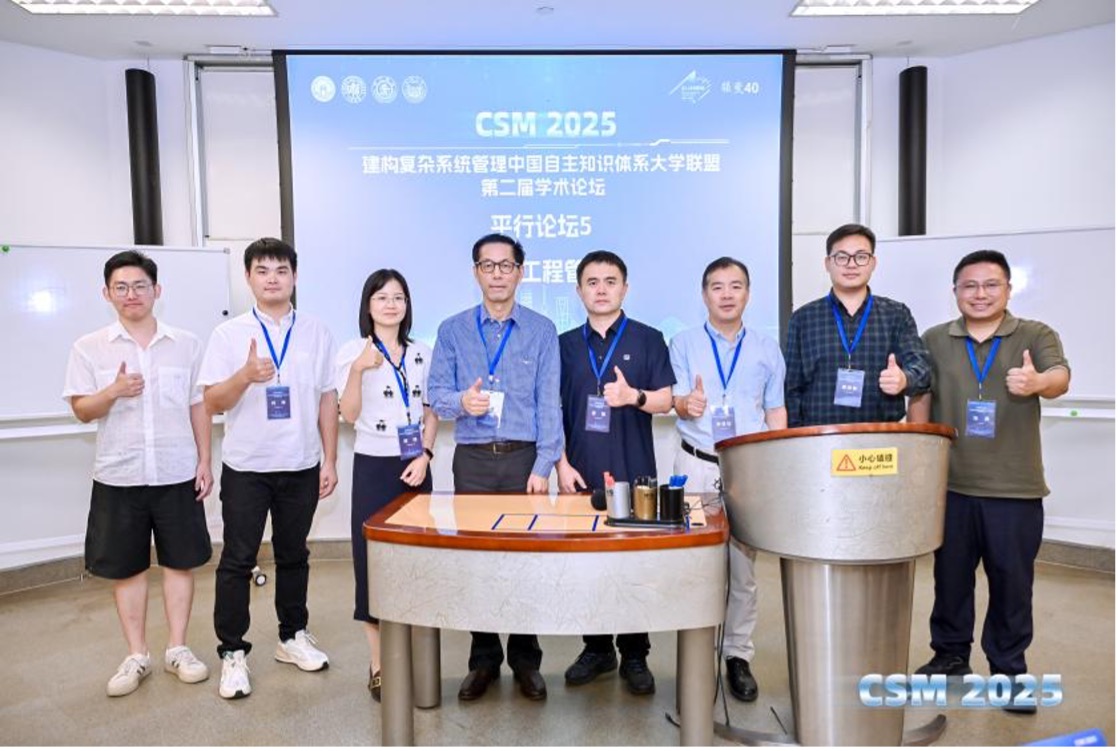
(Photo: Group photo of Parallel Session 5)
Parallel Session 6: Complex System Modeling, co-hosted by Professor Li Yulong from Central University of Finance and Economics and Associate Professor Liu Zhiyuan from Shandong Normal University. The forum focused on the application of causal inference in transfer learning and the design optimization of multi-dimensional recommendation systems. Many scholars shared research achievements in cross-cutting fields such as dynamic pricing, population migration models, and the spread of infectious disease information.
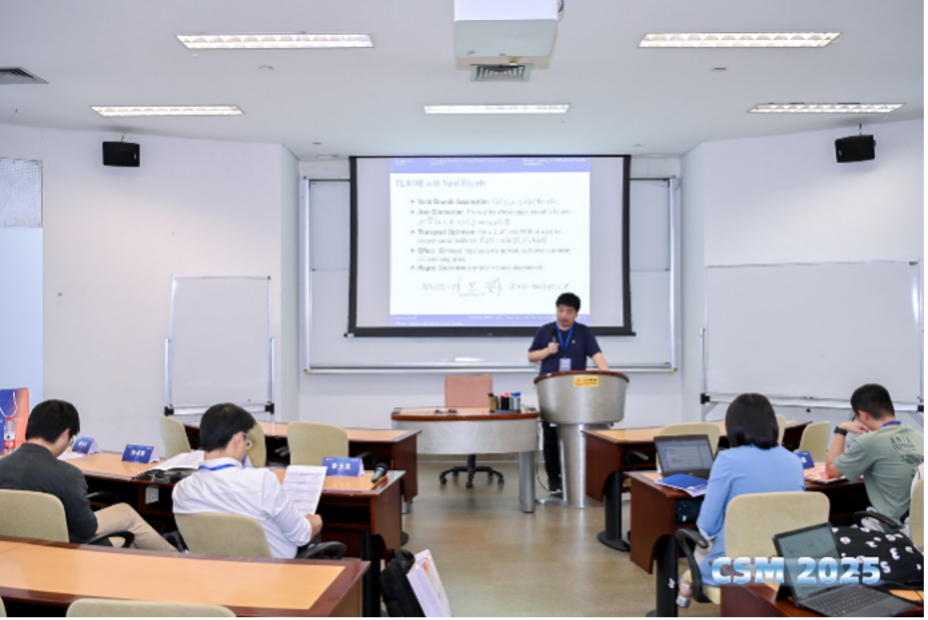
(Photo: Scene of Parallel Session 6)
Parallel Session 7: Digital Intelligence Service Operations Management, co-hosted by Professor Zeng Saixing from Shanghai Jiao Tong University and Professor Feng Haiyang from Tianjin University. The forum discussed issues related to intelligent customer service, language anthropomorphism, data leads, and human-machine hybrid customer service. Participants also discussed optimization schemes for the use of drones in post-disaster emergency material distribution and the design of screening mechanisms in the sharing economy platform.
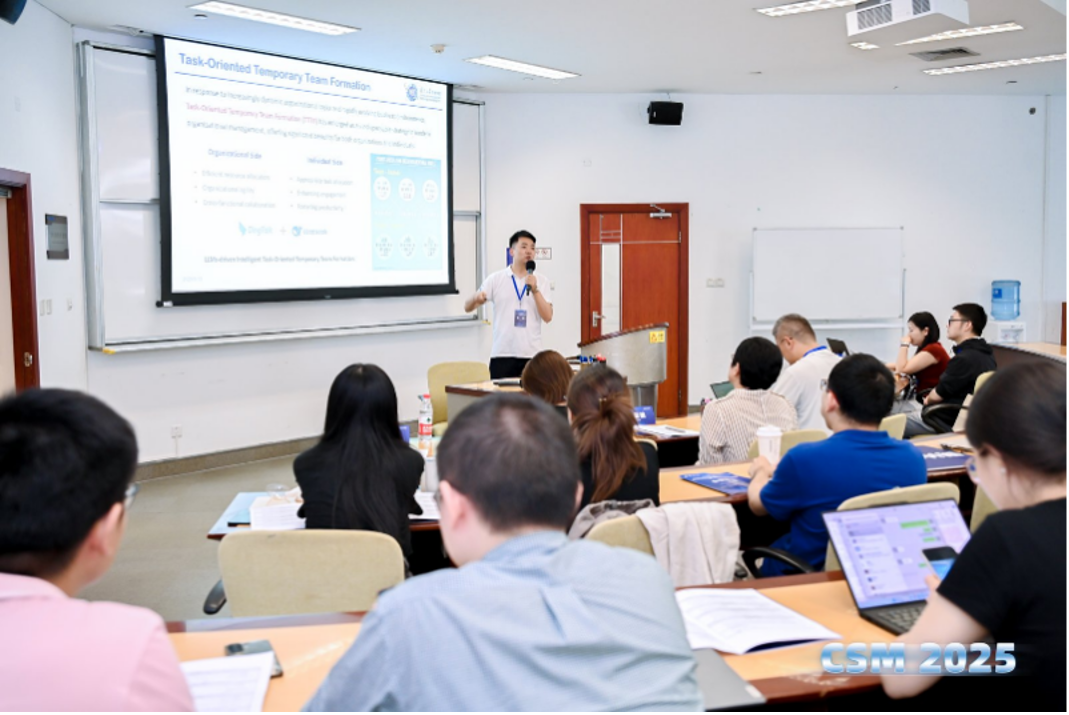
(Photo: Scene of Parallel Session 7)
Parallel Session 8: Digital Intelligence Transformation and Collaborative Innovation of Digital Intelligence Technology, co-hosted by Professor Fang Chao from Xi'an Jiaotong University and Professor Zheng Daqing from Shanghai University of Finance and Economics. The forum focused on cutting-edge topics such as the construction of enterprise project management platform systems, digital rural construction, and the application of artificial intelligence in disaster management. Many scholars shared research achievements based on Huawei cases, rural governance practices, and emergency management scenarios, discussing the innovative application of digital technology in complex systems.
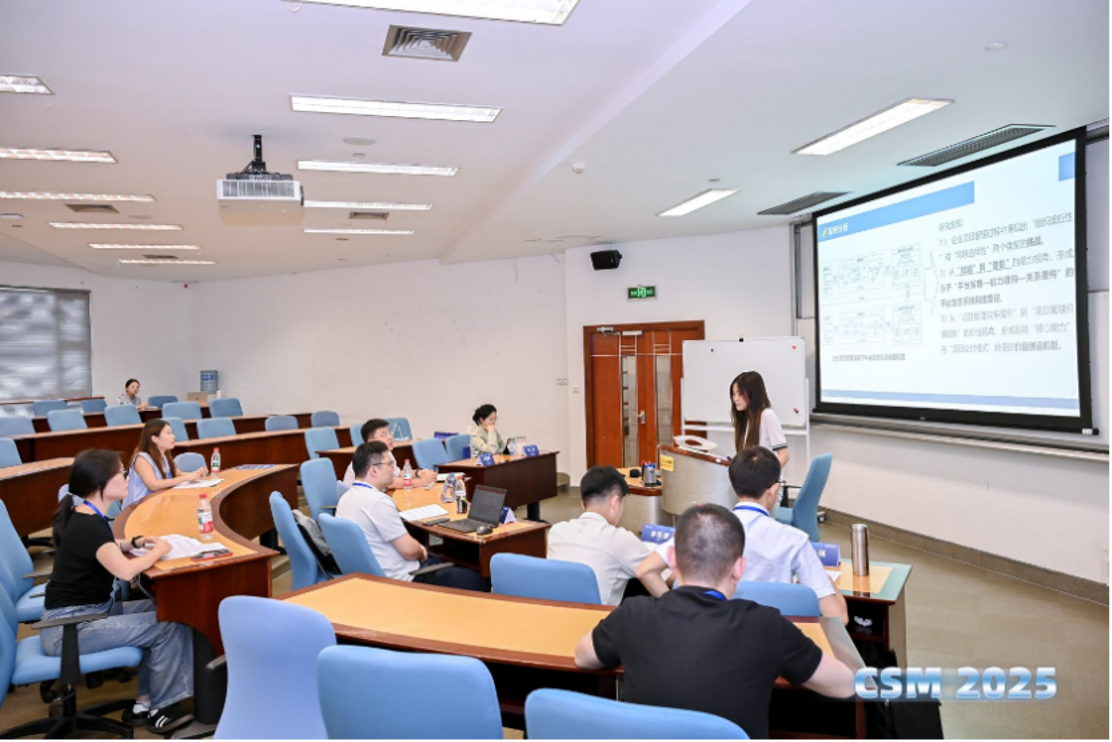
(Photo: Scene of Parallel Session 8)
Parallel Session 9: Complex Engineering Management—Doctoral Student Forum, co-hosted by Professor Huang Weidong from Nanjing University of Posts and Telecommunications and Professor Chen Yongtai from Nanjing Audit University. The forum covered multiple cutting-edge topics such as urban resilient transportation systems, power system energy storage technology, coal power transformation paths, corruption governance, major engineering management, and transnational infrastructure cooperation. Through case analysis and theoretical framework discussions, participants explored key challenges and innovative solutions in various fields.
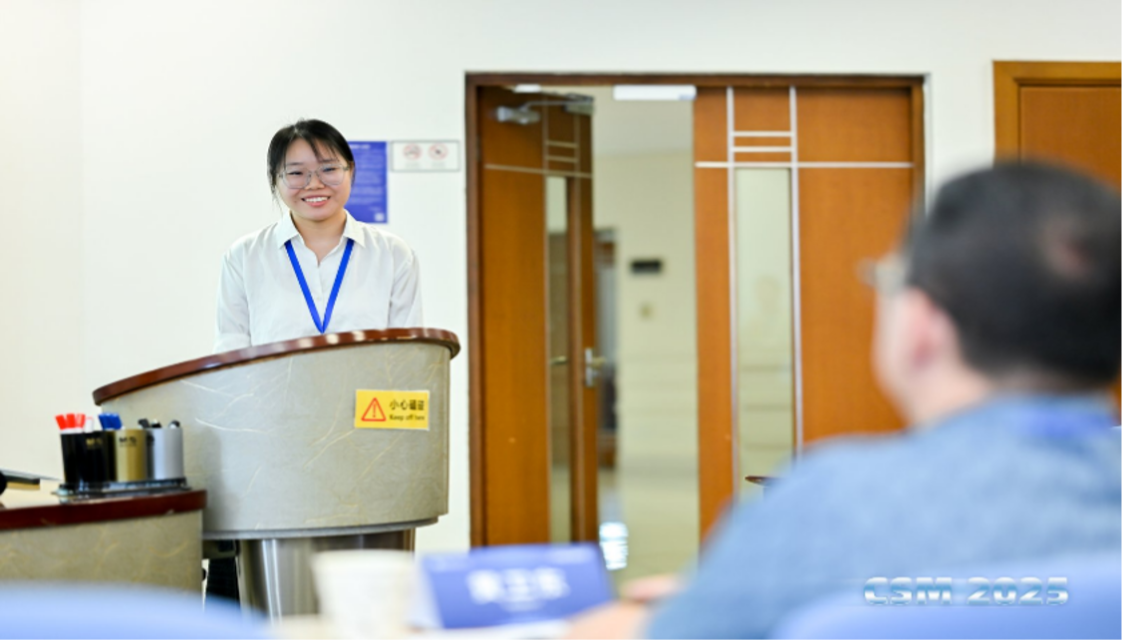
(Photo: Scene of Parallel Session 9)
Parallel Session 10: Complex System Modeling—Doctoral Student Forum, co-hosted by Professor Jia Bin from Beijing Jiaotong University and Professor Ma Yinghong from Shandong Normal University. The forum focused on topics such as the causal relationship between the prices of lithium industrial chemical experimental products and company stock prices, the risk transmission mechanism of the industrial chain, and resource security strategies. Many scholars shared interdisciplinary research methods, including the application of network modeling, dynamic scheduling algorithms, and multi-modal data analysis in industrial chain optimization.
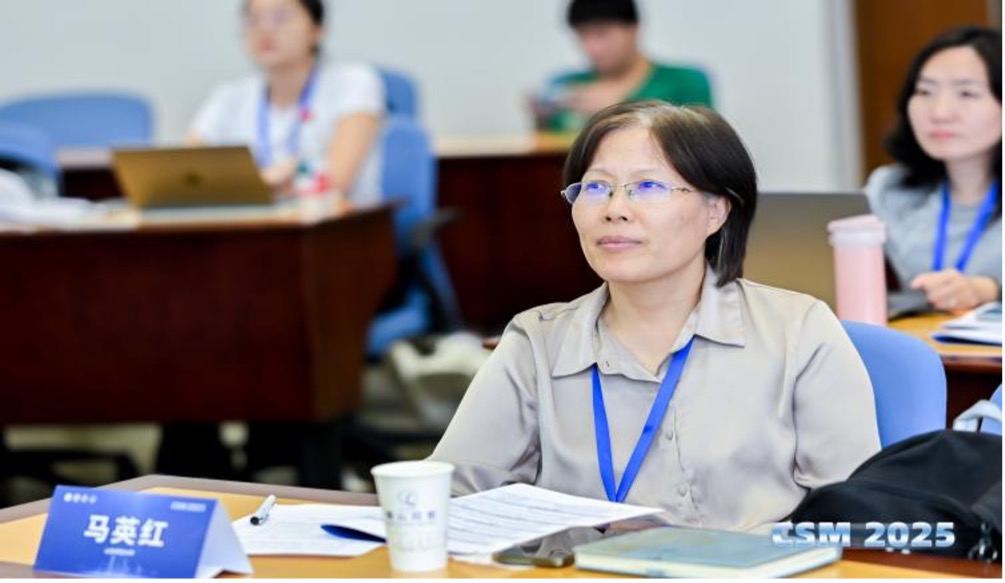
(Photo: Scene of Parallel Session 10)
Parallel Session 11: Data Factors and Data Circulation—Doctoral Student Forum, co-hosted by Associate Professor Wang Ge from Chongqing University and Young Associate Researcher Shi Yansong from School of Management, Fudan University. The forum focused on the development and compliance management of data factors for academic discussions. The conference focused on cutting-edge topics such as the hierarchical development model of public data, technical solutions for data circulation between enterprises (such as federated learning), and the application of large models in data compliance reviews. Many scholars and practitioners discussed the challenges and innovative paths of data factor marketization from technical, institutional, and practical perspectives.
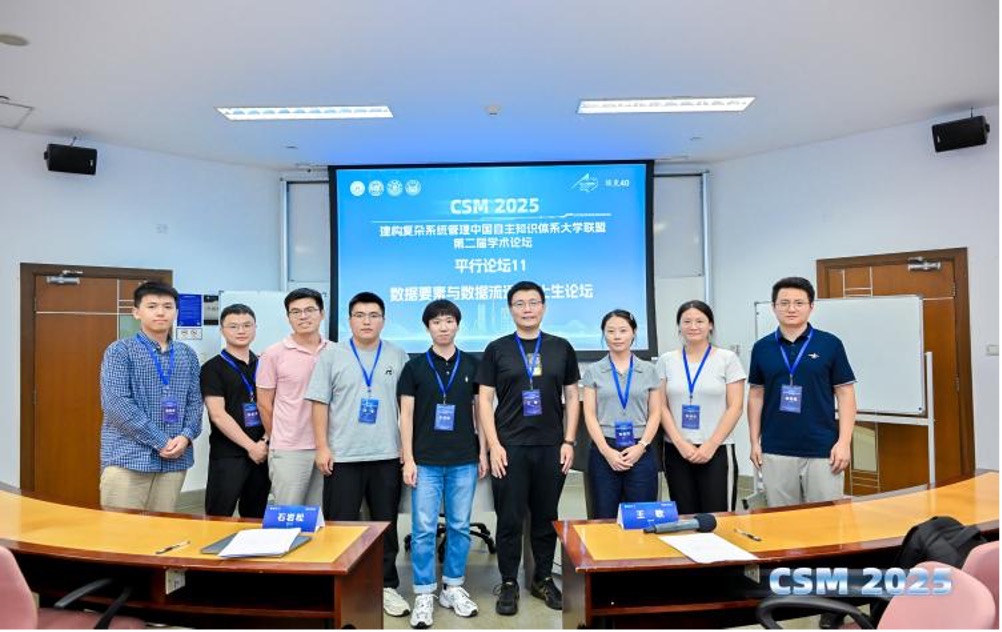
(Photo: Group photo of Parallel Session 11)
Parallel Session 12: Digital Intelligence Transformation and Collaborative Innovation of Digital Intelligence Technology—Doctoral Student Forum, co-hosted by Assistant Professor Zhang Yueyue from the University of Nottingham Ningbo China and Associate Researcher Chen Hongquan from Shanghai Jiao Tong University. The forum conducted interdisciplinary discussions around topics such as the evolution law of digital technology, the impact of AI-generated content on user behavior, and the optimization of government intelligent services. Participants shared cutting-edge research achievements and practical cases from the perspectives of technological innovation, industrial transformation, and social governance.
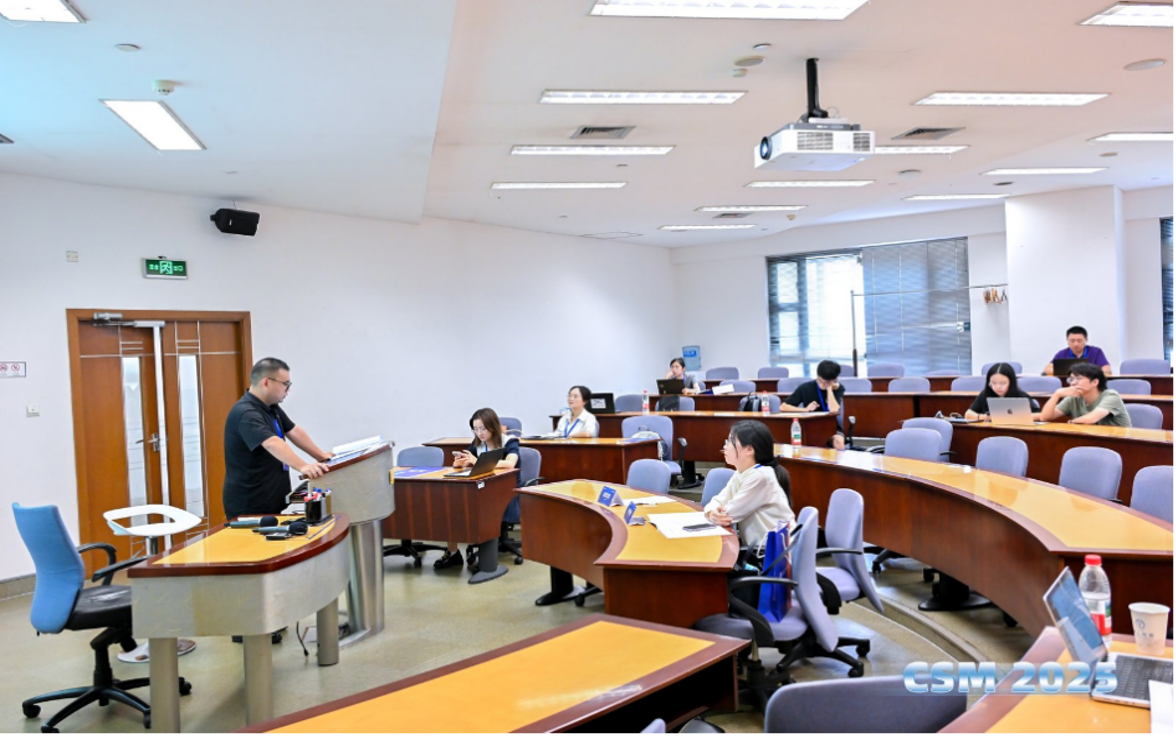
(Photo: Scene of Parallel Session 12)
## VII. Awarding Ceremony and Closing Ceremony
After the parallel sessions, Professor Huang Lihua from School of Management, Fudan University and Professor Zhou Jing from Nanjing University presented certificates to 8 winners of the Excellent Paper Award and Excellent Report Award. At the closing ceremony, Professor Sheng Zhaohan from Nanjing University summarized the conference and announced that the 3rd Academic Forum of the Alliance will be hosted by Soochow University. Professor Feng Bo, Dean of the Business School of Soochow University, delivered a speech. Finally, Professor Sheng Zhaohan put forward expectations and requirements for the future development of the alliance, and the conference concluded successfully.
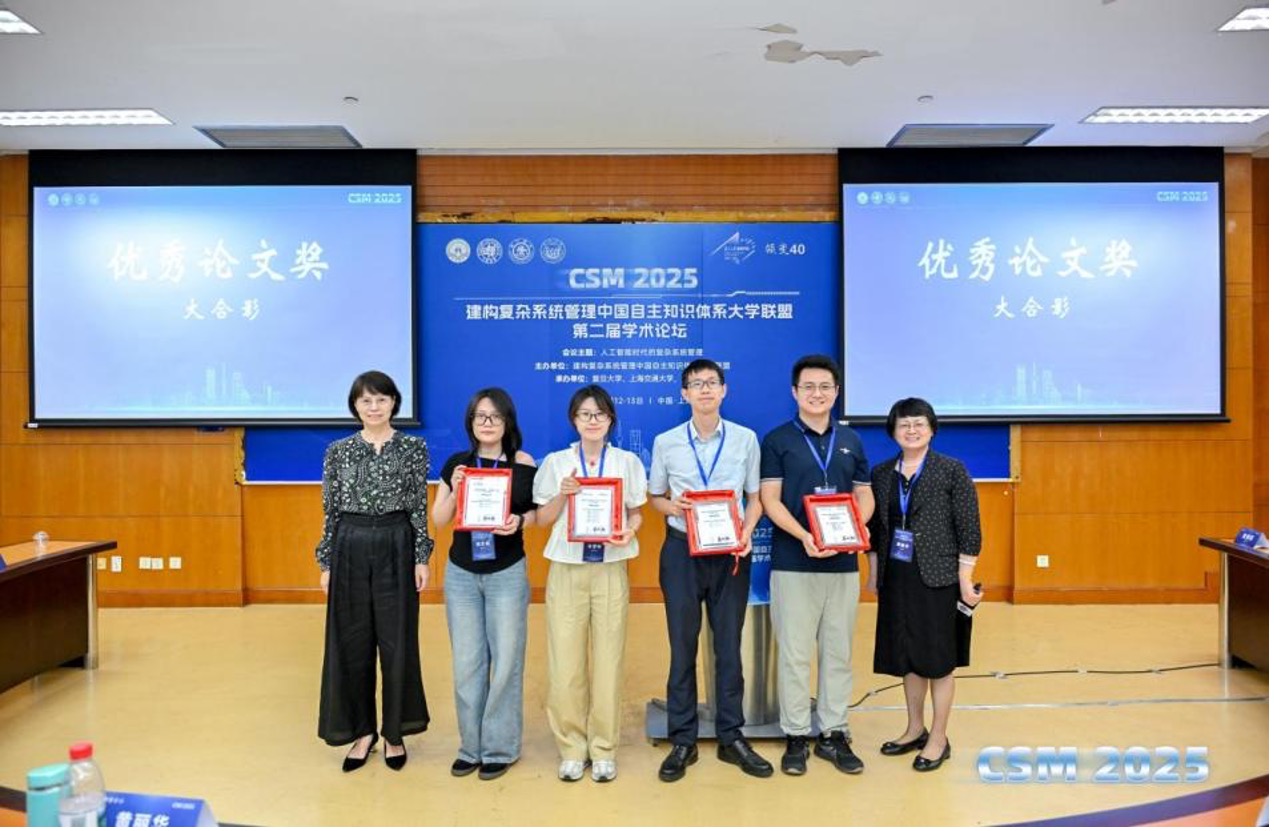
(Photo: Group photo of the Excellent Paper Award presentation)
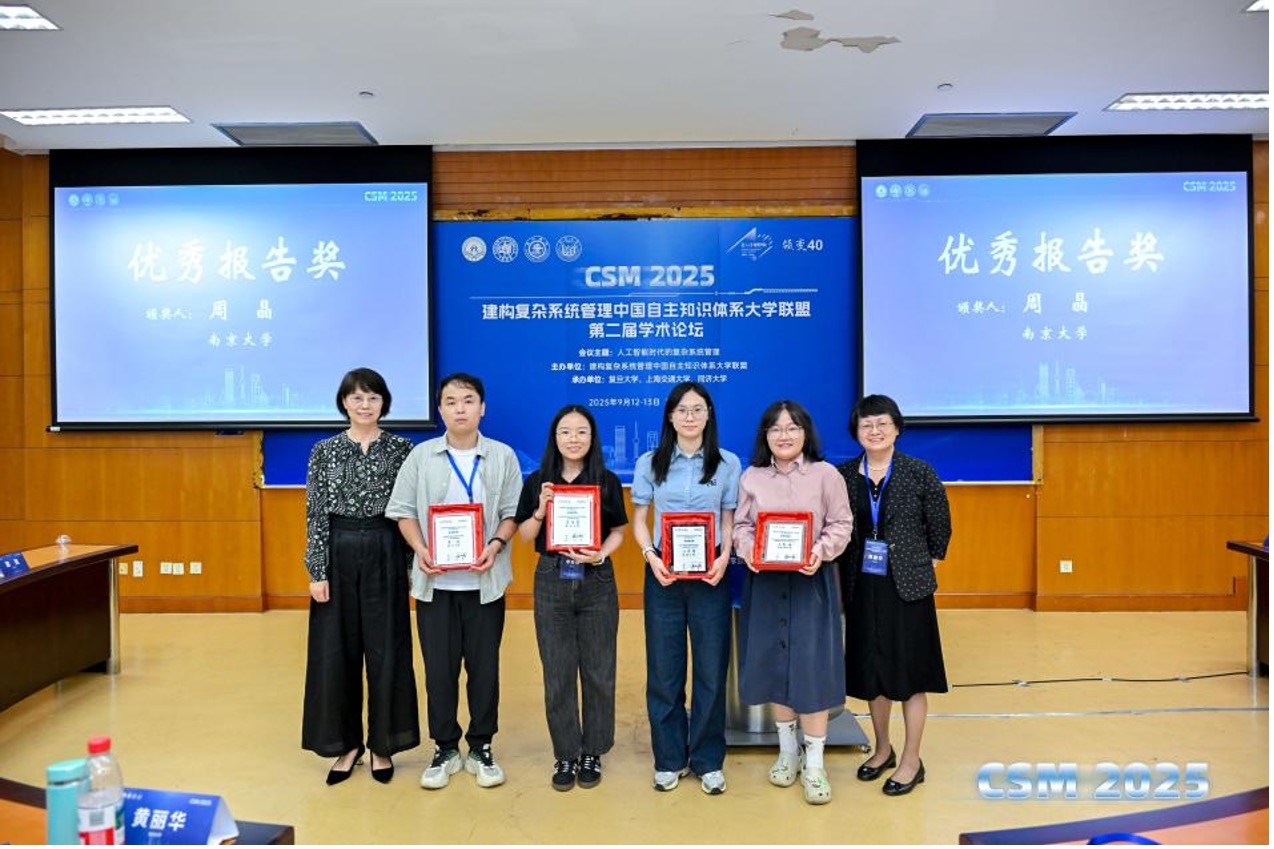
(Photo: Group photo of the Excellent Report Award presentation)
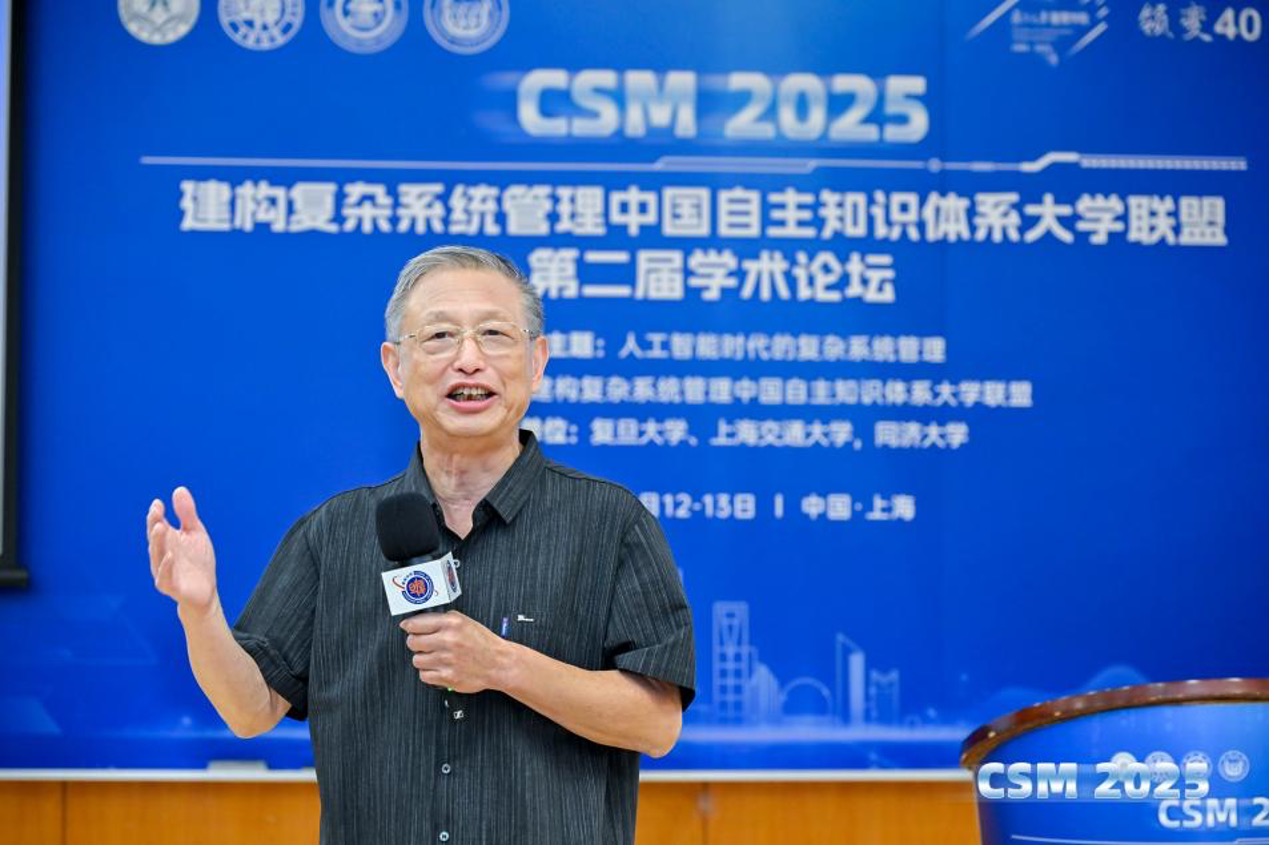
(Photo: Professor Sheng Zhaohan delivering a speech)
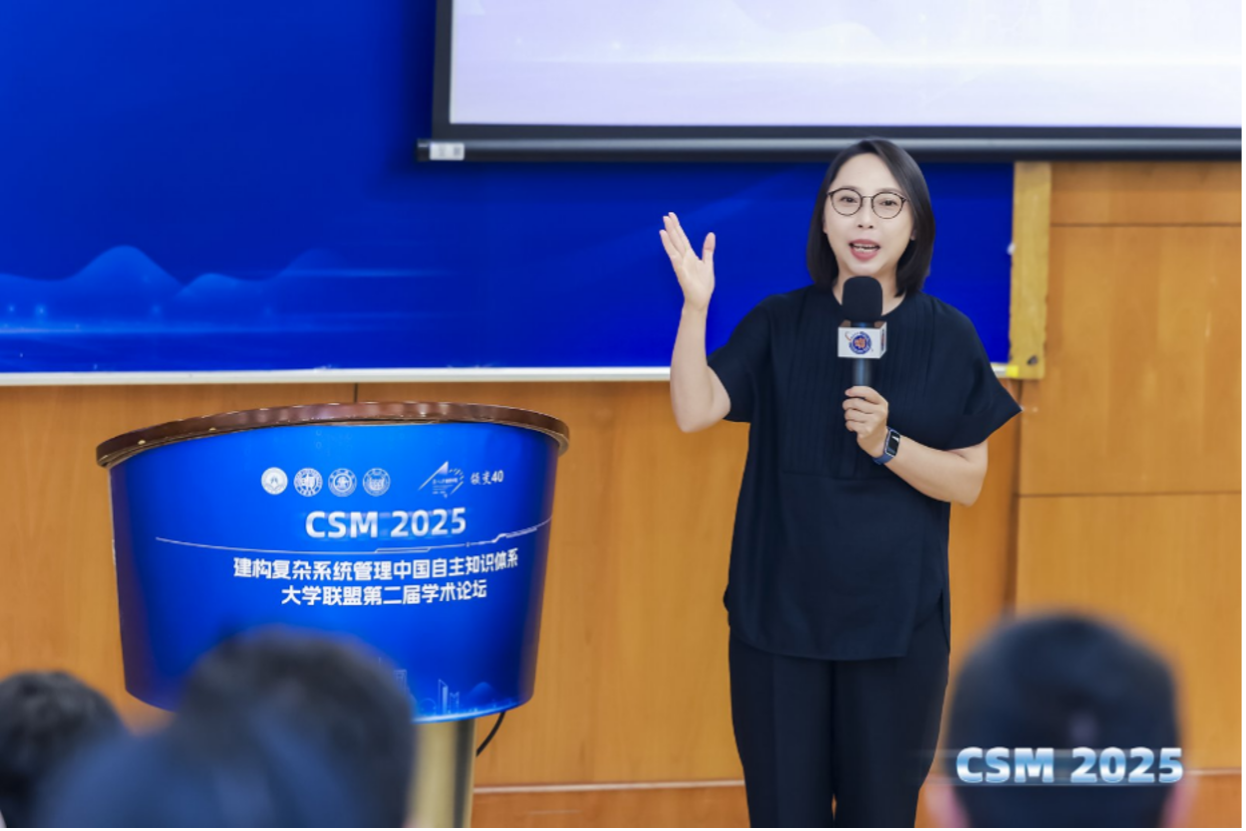
(Photo: Professor Feng Bo delivering a speech)
